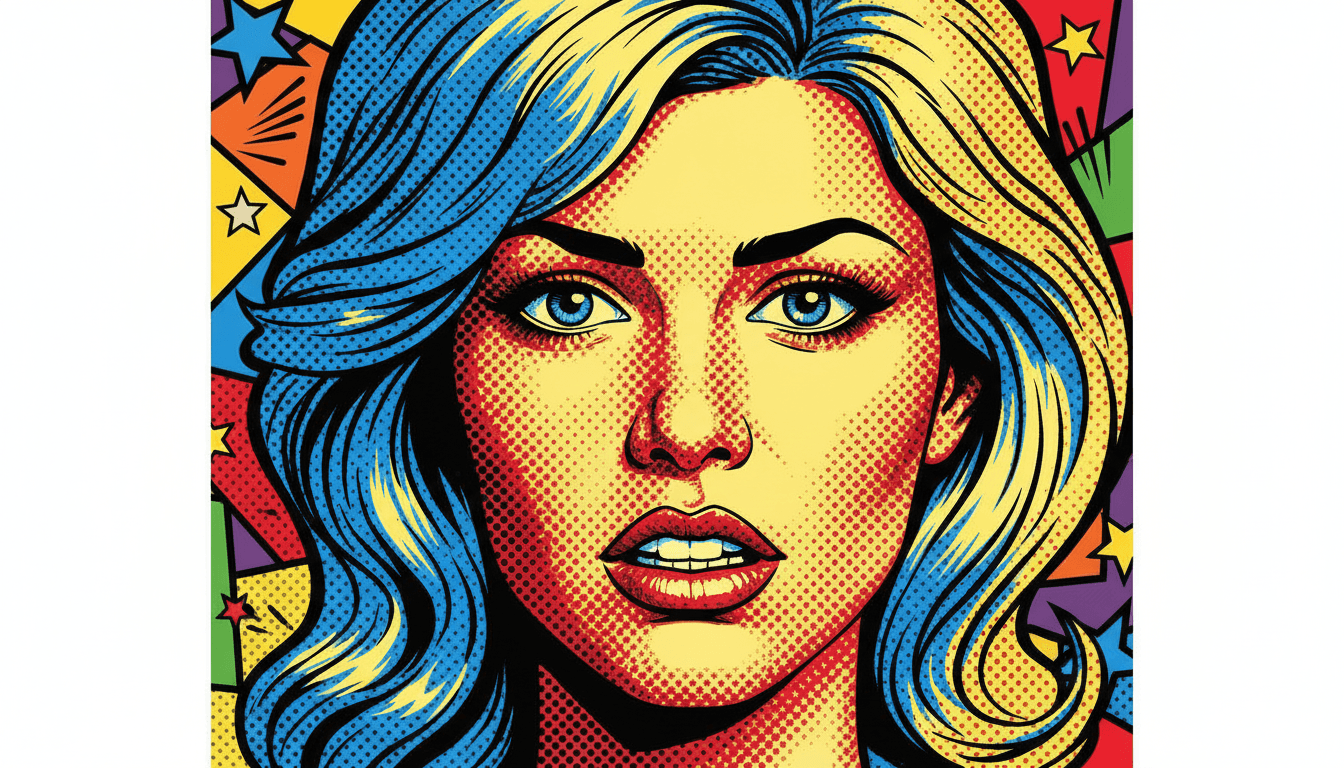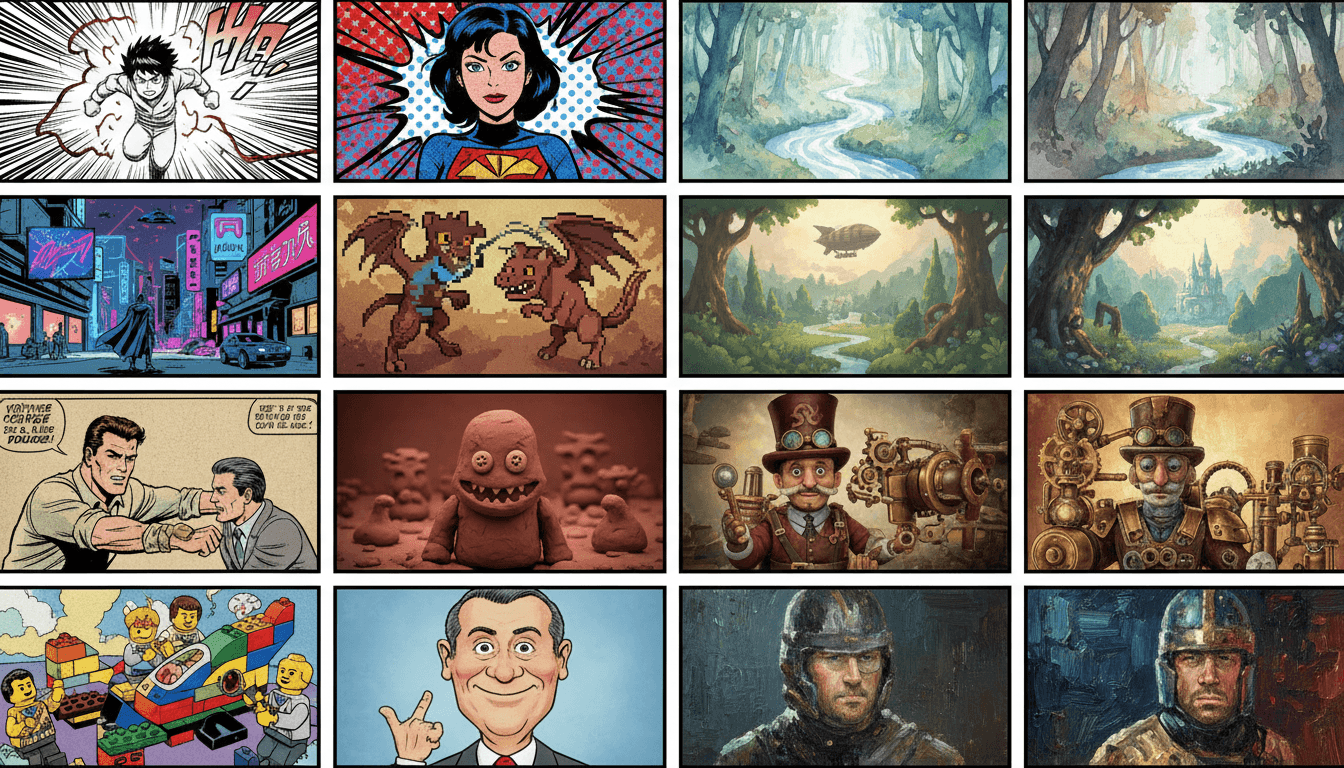
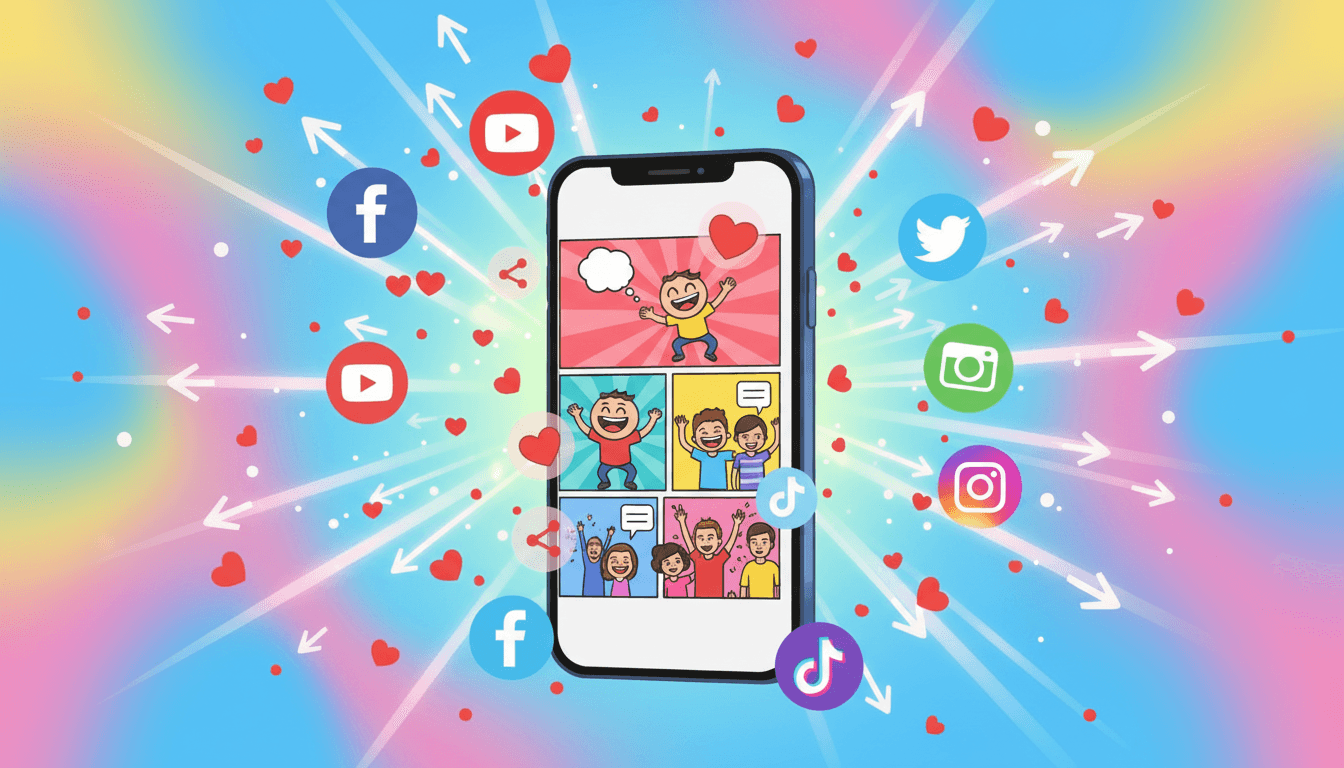
Comics are social media's secret weapon. While everyone else is posting filtered photos and recycled memes, comic creators are building massive audiences with original visual stories that people actually stop scrolling to read. The numbers back this up: comic-format posts on Instagram generate 2-3x higher engagement than standard image posts. On TikTok, AI art transformation videos regularly break millions of views. And on X (formerly Twitter), comic strips are among the most shared and bookmarked content types.
The reason is simple: comics combine visual impact with narrative. A photo is a single moment. A comic is a story. People engage more deeply with stories — they read them, share them, tag friends, save them for later, and come back for the next installment. And with AI comic creation tools, producing social-media-ready comic content no longer requires an artist on retainer or hours of illustration work.
Why Comics Dominate Social Media Engagement
Understanding why comics perform so well on social platforms helps you create more effective content:
- Stop-scrolling factor. A comic strip looks fundamentally different from photos, text posts, and standard graphics. That visual novelty interrupts the mindless scroll and earns attention — the most valuable currency on social media.
- Read time increases engagement. Social media algorithms favor content people spend time with. A comic strip takes 10-30 seconds to read, which is significantly longer than the 1-2 seconds most images receive. Higher dwell time signals "this is interesting" to the algorithm, which shows it to more people.
- Shareability. Comics are inherently shareable because they tell a complete story in a compact format. People share comics that make them laugh, think, or feel something — and they tag friends who would relate. This organic sharing amplifies reach without paid promotion.
- Series potential. A single great photo might go viral once. A comic series builds an audience that returns for every new episode. Recurring characters, ongoing storylines, and consistent posting schedules create loyal followers who engage with every post.
- Low barrier, high impact. You don't need expensive equipment or elaborate setups. With AI, you can create a professional comic strip from a text description in minutes — perfect for the volume and consistency that social media demands.
Platform-Specific Comic Formats
Each social platform has its own ideal format and audience behavior. Creating comics optimized for each platform dramatically increases your reach and engagement.
Instagram: The Comic Carousel
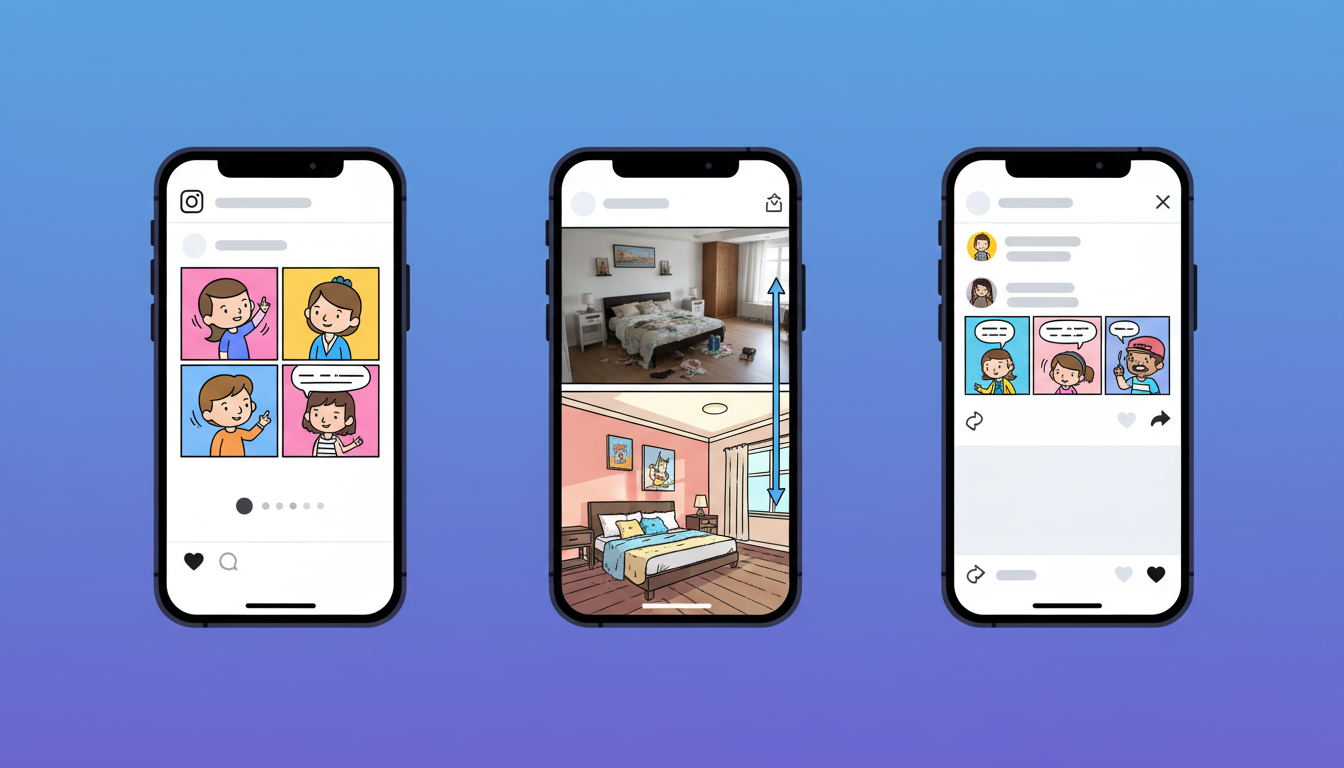
Instagram carousels are the best format for comics on the platform. Each slide is a panel or page, and the swipe mechanic mirrors the experience of turning comic pages. Carousels also get shown multiple times in followers' feeds (Instagram re-shows the next slide if someone didn't swipe through the first time), giving you more impressions per post.
Optimal format:
- Square (1080x1080) or portrait (1080x1350) slides
- 4-8 slides per carousel (sweet spot for completion rate)
- First slide: Eye-catching hook with a question or dramatic scene
- Last slide: CTA — "Follow for more" or "Tag someone who needs to see this"
- Consistent visual style across all slides for brand recognition
Best styles for Instagram: Pop Art (bold and eye-catching), Manga (massive audience), Ghibli (emotional resonance), and Chibi (cute and shareable).
TikTok: Transformation Videos and Vertical Strips
TikTok's comic content falls into two categories: transformation videos and story content. Transformation videos — showing a real photo being converted into comic art — consistently perform well because they satisfy TikTok's love of before-and-after content and visual surprise. The reveal moment when a regular photo becomes a stunning comic is inherently engaging.
Optimal format:
- Vertical video (1080x1920) for the main feed
- Show the creation process: original photo → style selection → AI transformation → final result
- Use trending audio to boost algorithmic distribution
- Hook in the first 1 second — show the finished result first, then the process
- Include text overlays explaining the style or prompt used
Best styles for TikTok: Ghibli (massive TikTok trend), GTA (popular transformation style), Spider-Verse (visually dramatic), and Pixel Art (nostalgic appeal).
X (Twitter): The Horizontal Strip
X favors horizontal image formats that display well in the timeline. Classic 3-4 panel horizontal comic strips work perfectly — they're scannable, shareable, and fit X's culture of quick, punchy content. Comics with relatable humor, social commentary, or unexpected punchlines tend to perform best on X.
Optimal format:
- Horizontal strip (1600x900 or similar wide aspect ratio)
- 3-4 panels maximum for timeline readability
- Clear, large text that's readable without expanding the image
- Punchline in the final panel — X users share comics that make them laugh
- Include alt text for accessibility (also helps with search)
Facebook: Stories and Groups
Facebook's comic audience is strong in niche groups and among older demographics. Comic strips shared in themed groups (parenting humor, workplace comics, fan communities) can reach tens of thousands of engaged viewers. Facebook Stories work well for quick single-panel comics or before-and-after transformations.
The Viral Comic Strip Formula
While virality isn't guaranteed, certain comic content patterns consistently outperform others on social media:
1. The Relatable Situation
Start with something your audience experiences daily — Monday mornings, coffee addiction, pet behavior, work meetings, social anxiety, cooking disasters. The reader's first thought should be "that's me" or "I know someone exactly like this." Relatability is the foundation of shareable content.
2. The Escalation
Take the relatable situation and push it further. The character's reaction becomes more dramatic or the situation spirals. This builds tension and keeps the reader engaged through the middle panels.
3. The Twist
Subvert expectations. The punchline, moral, or reveal should be something the reader didn't see coming. The surprise is what transforms a reader into a sharer. They want others to experience the same "I didn't expect that" moment.
4. The Before/After Transformation
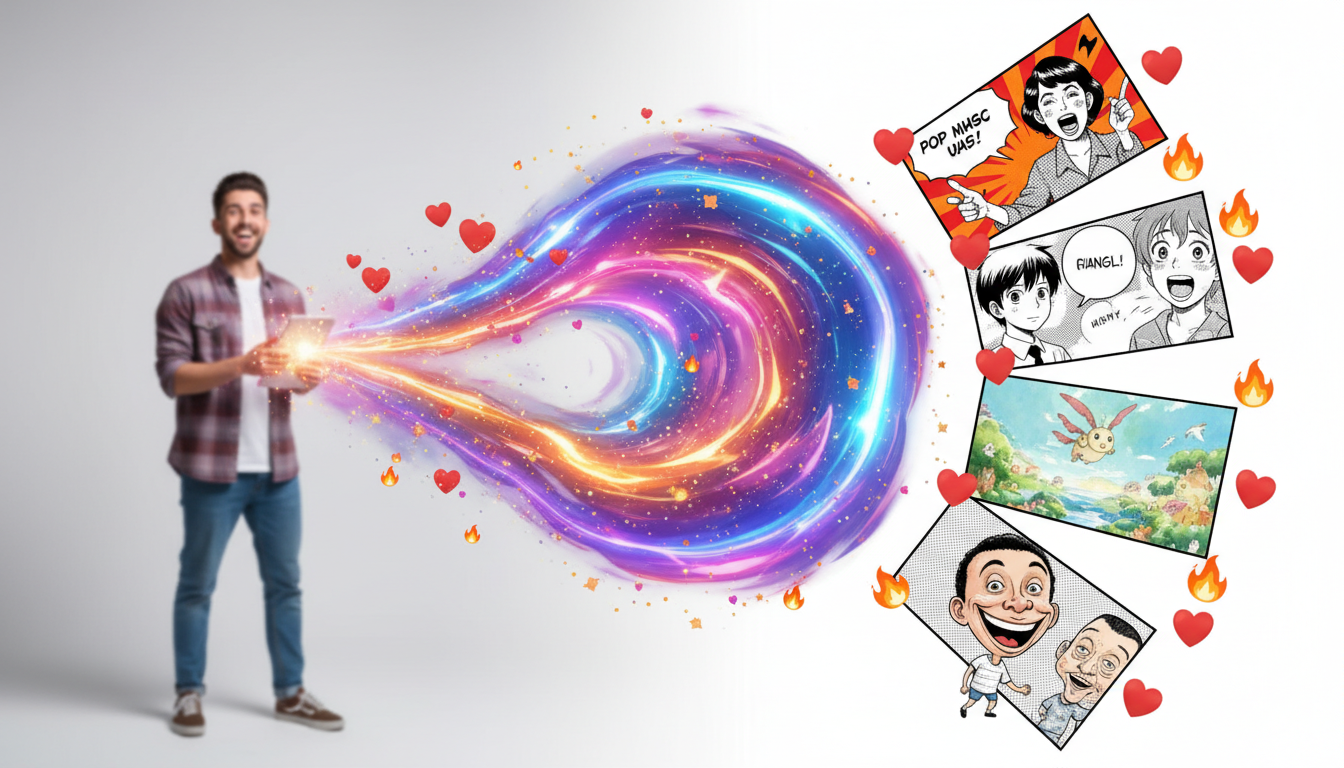
For photo-to-comic content specifically, the before-and-after format is inherently viral. People are fascinated by transformation — it's why makeover shows, renovation content, and AI art trends break the internet. Show a regular photo, then the stunning comic version. The visual contrast does the engagement work for you.
Create Social Media Comics in Minutes
Turn your ideas into scroll-stopping comic content with AI. No design skills needed.
Start Creating Free →Creating a Recurring Comic Series
The most successful comic creators on social media don't rely on one-off viral hits. They build recurring series with consistent characters and themes that train their audience to come back for more.
Develop Recurring Characters
Create 2-3 characters that appear in every episode. Give them distinct personalities, visual designs, and relationship dynamics. Your audience will grow attached to these characters, follow to see what happens next, and engage with each new episode.
Establish a Theme
Choose a niche that your audience relates to: programmer humor, parenting adventures, pet life, office culture, relationship dynamics, gaming situations. A focused theme attracts a targeted audience that's more likely to engage consistently than a general audience.
Post Consistently
Social media rewards consistency. Posting a comic strip 2-3 times per week trains the algorithm to show your content to your followers and helps your audience develop a habit of looking for your posts. With AI comic creation, maintaining this pace is realistic — you can generate a comic strip in minutes rather than spending hours drawing each one.
Batch Content Creation Workflow
Professional social media comic creators don't create one strip at a time. They batch their content creation for efficiency:
- Ideation day. Spend one session brainstorming 10-15 comic ideas. Keep a running note on your phone for spontaneous ideas throughout the week. Write brief descriptions for each comic concept.
- Creation session. Use AI comic generation to produce all 10-15 comics in a single sitting. This might take 30-60 minutes with AI tools — compared to the 10-15 hours hand-drawing would require.
- Edit and refine. Review all generated comics. Regenerate any panels that don't quite work. Adjust dialogue if needed. Add platform-specific text overlays or formatting.
- Schedule and publish. Queue your comics across platforms using scheduling tools. Space them out across the week for consistent posting without daily creation pressure.
This batch workflow means you can prepare two weeks of social media comic content in a single afternoon. That kind of efficiency is only possible with AI comic creation tools.
Growing Your Following with Comic Content
- Cross-promote across platforms. Share your Instagram comic on X with a different caption. Post the TikTok creation video. Repurpose the same comic in different formats for different audiences.
- Engage with your community. Respond to comments, ask your audience for comic ideas, and create strips based on follower suggestions. Community involvement drives loyalty and engagement.
- Collaborate with other creators. Feature guest characters, create crossover episodes, or do comic "challenges" with other comic creators. Collaboration exposes you to each other's audiences.
- Use hashtags strategically. Tag your comics with both comic-specific (#comicstrip, #webcomic, #AIart) and niche-specific hashtags (#programmerhumor, #catcomics, #parentinglife) to reach both comic fans and people interested in your topic.
- End with a hook. Every comic should end with a reason to follow — whether it's a cliffhanger, a "follow for part 2," or simply consistent quality that makes people want more.
Frequently Asked Questions
How often should I post comic strips on social media?
For growth, aim for 2-3 comic posts per week minimum. Consistency matters more than frequency — posting twice a week every week beats posting daily for a month and then disappearing. AI comic tools make consistent posting realistic even for solo creators.
What art style gets the most engagement on social media?
It depends on the platform and audience. Pop Art and Manga tend to perform well across platforms due to their bold visual impact. Ghibli generates strong emotional engagement. Chibi is highly shareable. Test different styles with your audience and double down on what resonates.
Can I make money from social media comics?
Yes. Successful comic creators monetize through brand sponsorships, merchandise (printed comics, stickers, apparel), Patreon subscriptions, and platform monetization programs. Building an audience of 10,000+ engaged followers typically opens monetization opportunities.
How do I make my comic strips accessible?
Always include alt text describing the comic content and dialogue. Use clear fonts at readable sizes. Ensure sufficient color contrast between text and backgrounds. Caption any video content. Accessibility isn't just ethical — it also improves your content's searchability and reach.
Should I watermark my comics?
Include your handle or brand name subtly in your comics — not as a disruptive watermark, but as a small signature. When comics get shared without context, your attribution travels with them. Think of it as a business card, not a lock.
Social media and comics are a natural match. Comics capture attention, tell stories, build communities, and invite sharing — everything social platforms reward. With AI making comic creation fast and accessible, the only question is what story you'll tell first. Your audience is scrolling right now, waiting for something worth stopping for. Give them a comic.