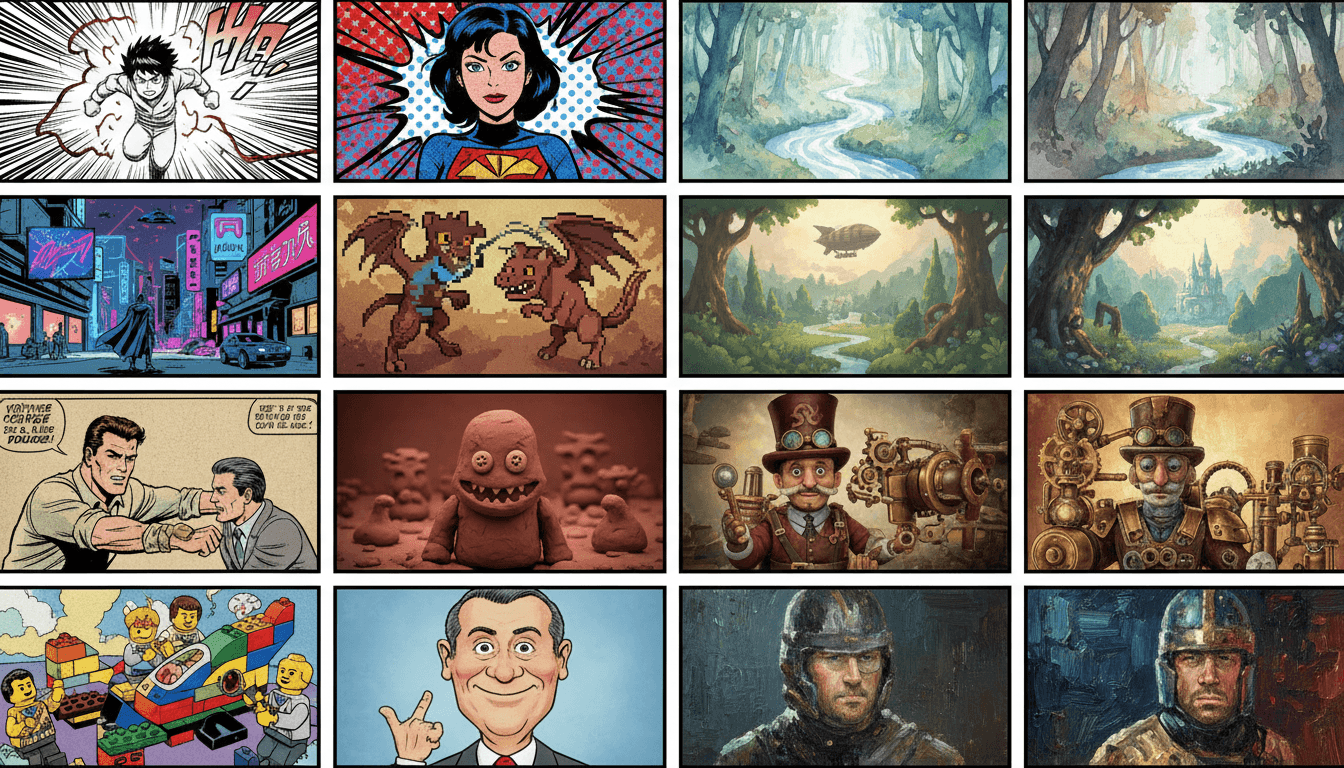
Choosing an art style is one of the most important decisions you'll make when creating a comic. The style sets the mood, defines the audience, and shapes how your story is experienced. A horror tale told in chibi style becomes comedy. A romance drawn in neon noir becomes a thriller. The same story can feel completely different depending on the visual language you choose.
With AI comic creators now offering 30+ distinct art styles, the possibilities are extraordinary — but the choice can also feel overwhelming. This guide breaks down every major style category, compares their strengths, and gives you a clear framework for picking the perfect style for your story. Consider this your definitive reference for AI comic art styles.
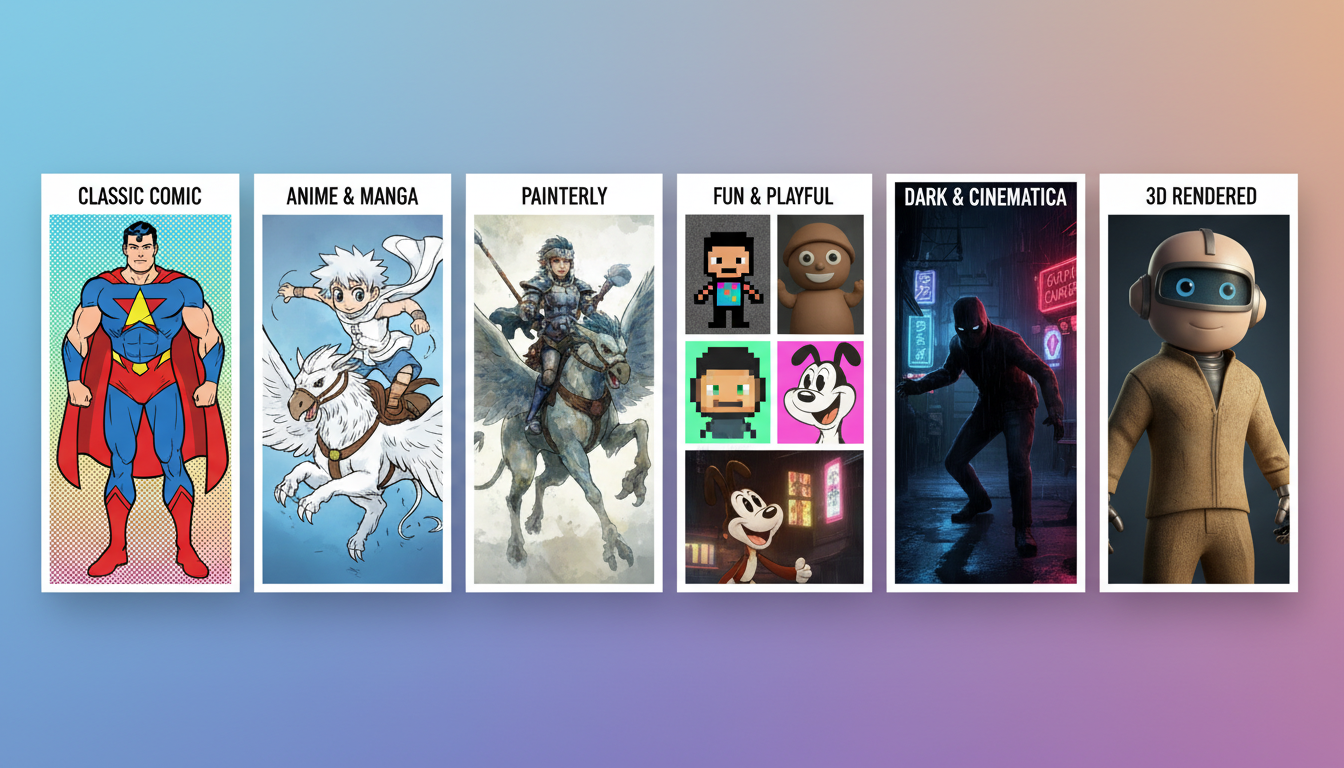
Classic Comic Styles
These styles draw from the rich history of Western comic books. They're bold, expressive, and immediately recognizable as "comic art." If you grew up reading comics at a newsstand or bookstore, these styles will feel like home.
Pop Art
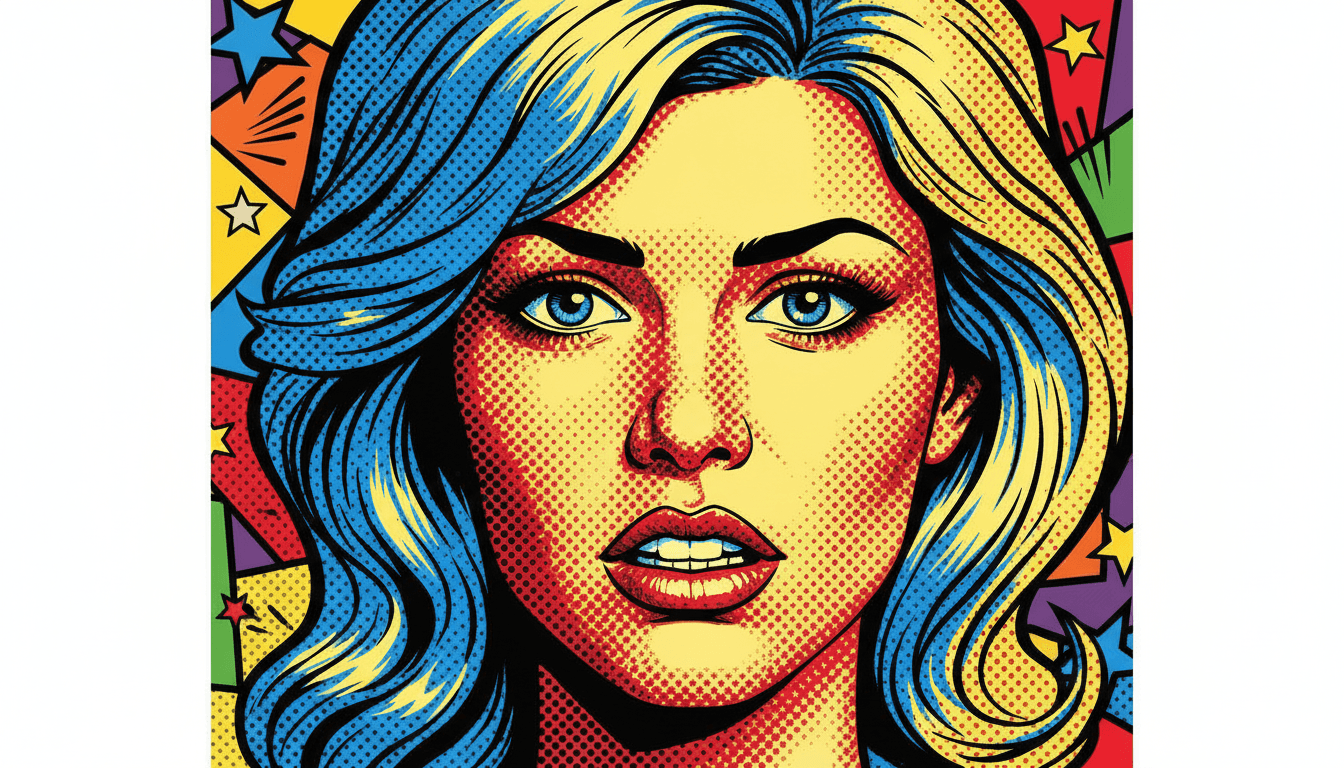
Inspired by Andy Warhol and Roy Lichtenstein, pop art features bold primary colors, thick black outlines, halftone dot patterns, and dramatic compositions. It turns everything into a high-impact visual statement. Pop art is perfect for social media content, portrait art, pet comics, and any story that benefits from eye-catching energy. The style works particularly well for humor, satire, and anything that shouldn't take itself too seriously.
Vintage Comic
The golden and silver age of comics live on in vintage comic style. Think classic superhero panels from the 1950s and 60s: muted color palettes with slight print imperfections, bold lettering, dramatic poses, and that unmistakable retro charm. This style excels for superhero stories, nostalgic narratives, and any project where you want to evoke the warmth of classic Americana.
Ink Drawing
Pure black-and-white artistry. Ink drawing style strips away color to focus on line work, crosshatching, and dramatic contrast. It has the look of professional comic inking — the kind of art you'd see in indie graphic novels and noir detective stories. Ink drawing is ideal for serious narratives, horror, mystery, and literary comics where the emphasis is on mood and craft.
Spider-Verse
Born from the groundbreaking film Spider-Man: Into the Spider-Verse, this modern animation style combines halftone textures with vibrant colors, chromatic aberration effects, and a kinetic energy that feels like the page is moving. It's one of the most visually dynamic styles available — perfect for action stories, youth-oriented content, and anyone who wants their comics to feel cutting-edge and alive.
Anime & Manga Styles
Japanese-inspired styles dominate the global comic market, and for good reason. The manga tradition has developed some of the most expressive and emotionally resonant visual storytelling techniques in the world.
Manga
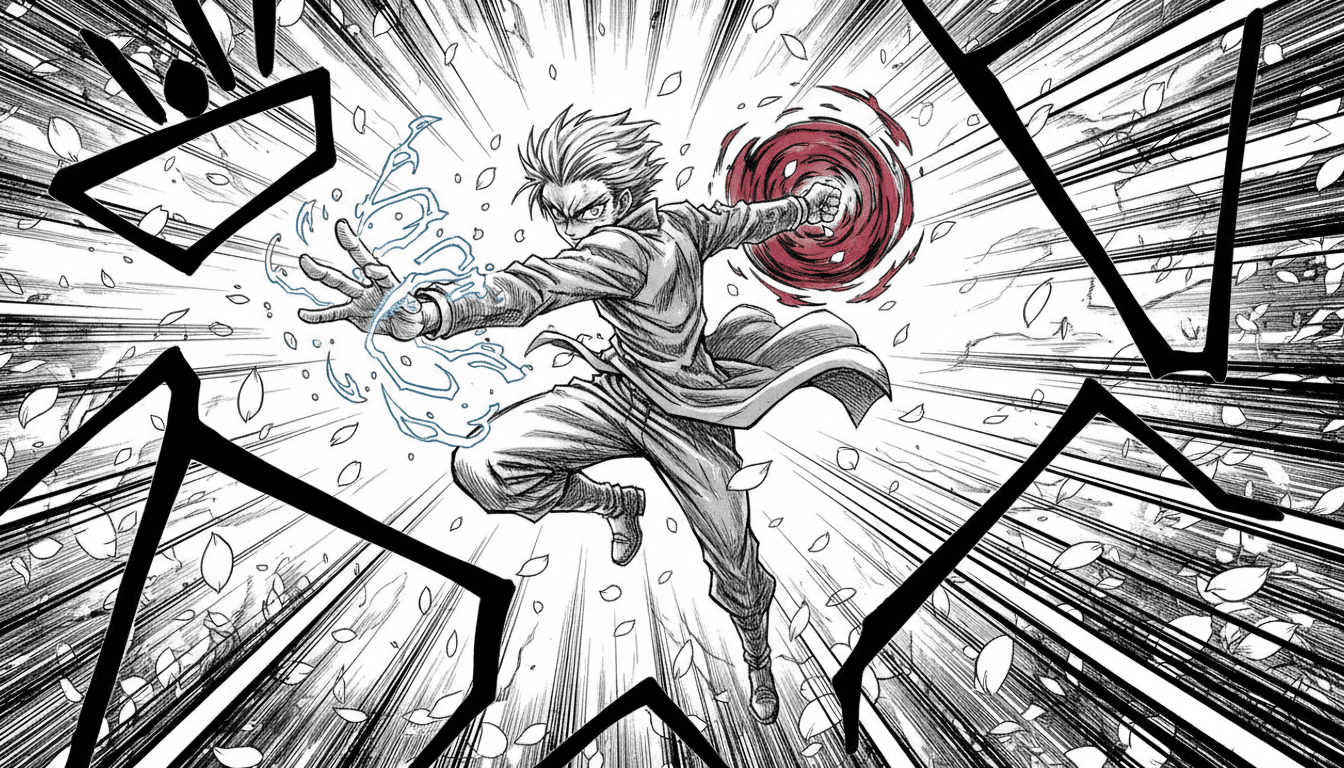
Manga is the world's most popular comic style, featuring expressive eyes, dynamic panel layouts, speed lines, and screentone shading. It's incredibly versatile — equally suited for action epics, tender romances, and psychological thrillers. If you're unsure where to start, manga is the safest bet. It produces consistently excellent results across almost every story type.
Webtoon
The digital-native comic format from Korea. Webtoon style features clean digital coloring, soft shading, and designs optimized for vertical scrolling on mobile devices. Characters tend to have a polished, modern look with softer proportions than traditional manga. It's the fastest-growing comic format worldwide and perfect for romance, slice-of-life, and drama stories designed for phone reading.
Chibi
Adorable, exaggerated, and irresistibly cute. Chibi style reduces characters to simplified forms with oversized heads, tiny bodies, and large expressive eyes. It's the go-to style for comedy, kids' content, lighthearted stories, and anything that benefits from maximum cuteness. Chibi also works brilliantly for merchandise designs and sticker art.
Retro Anime
The aesthetic of 80s and 90s anime — visible cel lines, warm analog color palettes, and the distinctive look of hand-painted animation cels. Retro anime style carries powerful nostalgia for fans of classics like Sailor Moon, Dragon Ball, and Cowboy Bebop. It's ideal for sci-fi, mecha stories, and any narrative with a nostalgic or retro futurism angle.
Anime
Modern full-color anime style with clean digital coloring, dramatic lighting, and the polished look of contemporary Japanese animation. Compared to manga, anime style uses full color and smoother shading. It bridges the gap between manga and Western animation, making it accessible to a broad global audience.
Painterly & Fine Art Styles
These styles bring the aesthetics of traditional fine art into the comic medium. They're visually rich, emotionally evocative, and perfect for stories that prioritize atmosphere and beauty.
Watercolor
Soft, translucent, and dreamlike. Watercolor style features gentle color bleeds, visible brushwork, and the organic imperfections that make real watercolor painting so beautiful. It's perfect for nature stories, romance, children's books, and atmospheric narratives. Landscapes in watercolor are particularly stunning.
Oil Painting
Rich textures, deep colors, and the visual weight of classical fine art. Oil painting style brings a museum-quality aesthetic to comics. Portraits gain gravitas, landscapes become epic, and even simple scenes feel monumental. This style suits historical narratives, epic fantasy, biographical stories, and any project aiming for prestige and seriousness.
Renaissance
The grandeur of the Italian masters. Renaissance style evokes the work of Leonardo, Michelangelo, and Botticelli — classical compositions, anatomical realism, dramatic lighting (chiaroscuro), and a sense of timeless beauty. Use it for mythological stories, historical epics, or any comic that benefits from a sense of classical gravitas and human dignity.
Art Deco
Geometric elegance from the roaring twenties. Art deco style features symmetrical compositions, bold geometric patterns, metallic color accents, and luxurious visual design. It's tailor-made for mystery stories, Great Gatsby-era narratives, architectural subjects, and any project where glamour and sophistication are paramount.
Studio Ghibli
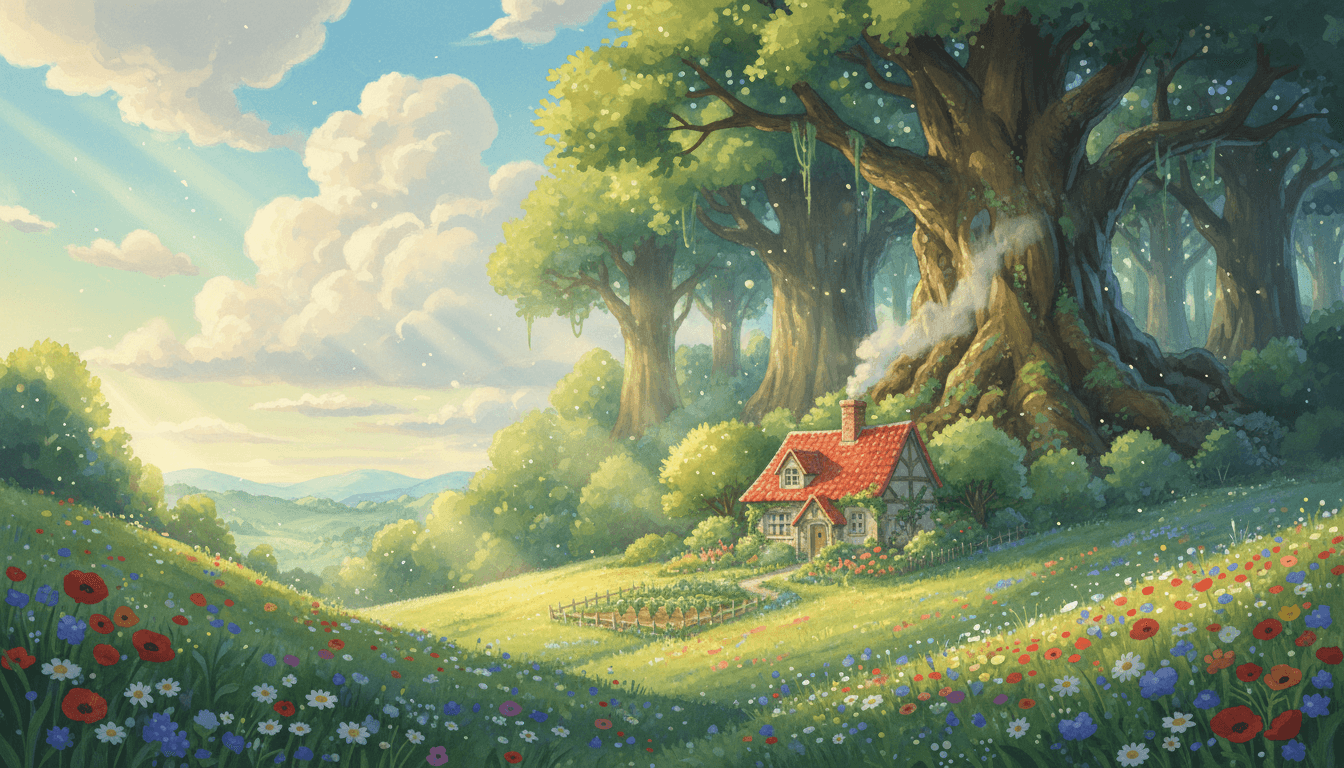
The beloved Studio Ghibli aesthetic — soft watercolor backgrounds, warm nostalgic lighting, lush nature scenes, and characters with gentle, expressive faces. One of the most popular AI art styles globally thanks to the viral Ghibli trend. Ideal for coming-of-age stories, peaceful adventures, nature themes, and any narrative that needs to feel warm and magical.
Fun & Playful Styles
These styles prioritize personality, humor, and accessibility. They're fantastic for casual content, gifts, social media, and stories aimed at younger or broader audiences.
Pixel Art
The beloved aesthetic of retro video games. Pixel art style renders everything in chunky, colorful pixels with limited palettes and charming simplicity. It's a natural fit for gaming-themed comics, nostalgic stories, and any project targeting an audience that grew up with 8-bit and 16-bit games. The constraints of the style actually spark creativity.
Claymation
The look of stop-motion animation — rounded, sculpted characters with visible texture and warm, tactile quality. Claymation style evokes films like Wallace & Gromit and Coraline. It works beautifully for kids' content, horror-comedy, and any story that benefits from a handcrafted, three-dimensional feel.
LEGO
Everything is awesome in LEGO style. Characters become brick minifigures, environments are built from interlocking blocks, and the entire world has that distinctive plastic sheen. It's incredibly fun for kids' comics, parodies, adventure stories, and gifts. The style has universal appeal — nearly everyone recognizes and loves the LEGO aesthetic.
Simpsons
The iconic yellow-skinned character design of America's longest-running animated series. Simpsons style features overbite characters, bulging eyes, and bright flat colors. It's perfect for satire, family comedy, social commentary, and turning real people into Springfield residents. Few styles are as instantly recognizable or as inherently funny.
Caricature
Exaggerated features, amplified expressions, and playful distortion. Caricature style takes the most distinctive features of subjects and cranks them up for humorous effect. It's the go-to for portrait gifts, comedy strips, editorial cartoons, and any project where humor and personality matter more than realistic proportions.
Storybook
Warm, illustrated, and inviting — the look of a beautifully illustrated children's book. Storybook style features soft colors, gentle characters, and whimsical details that make every scene feel like a page from a bedtime story. Perfect for children's comics, family stories, educational content, and any narrative targeting young readers.
Sketchbook
The look of a talented artist's personal sketchbook — loose pencil lines, hatched shading, visible paper texture, and the charm of hand-drawn imperfection. Sketchbook style feels intimate, personal, and authentic. It works well for memoir comics, journal-style narratives, and stories that benefit from an unpolished, human feel.
Dark & Cinematic Styles
For stories that demand atmosphere, tension, and visual drama. These styles turn comics into cinematic experiences with sophisticated color palettes and moody lighting.
Cyberpunk
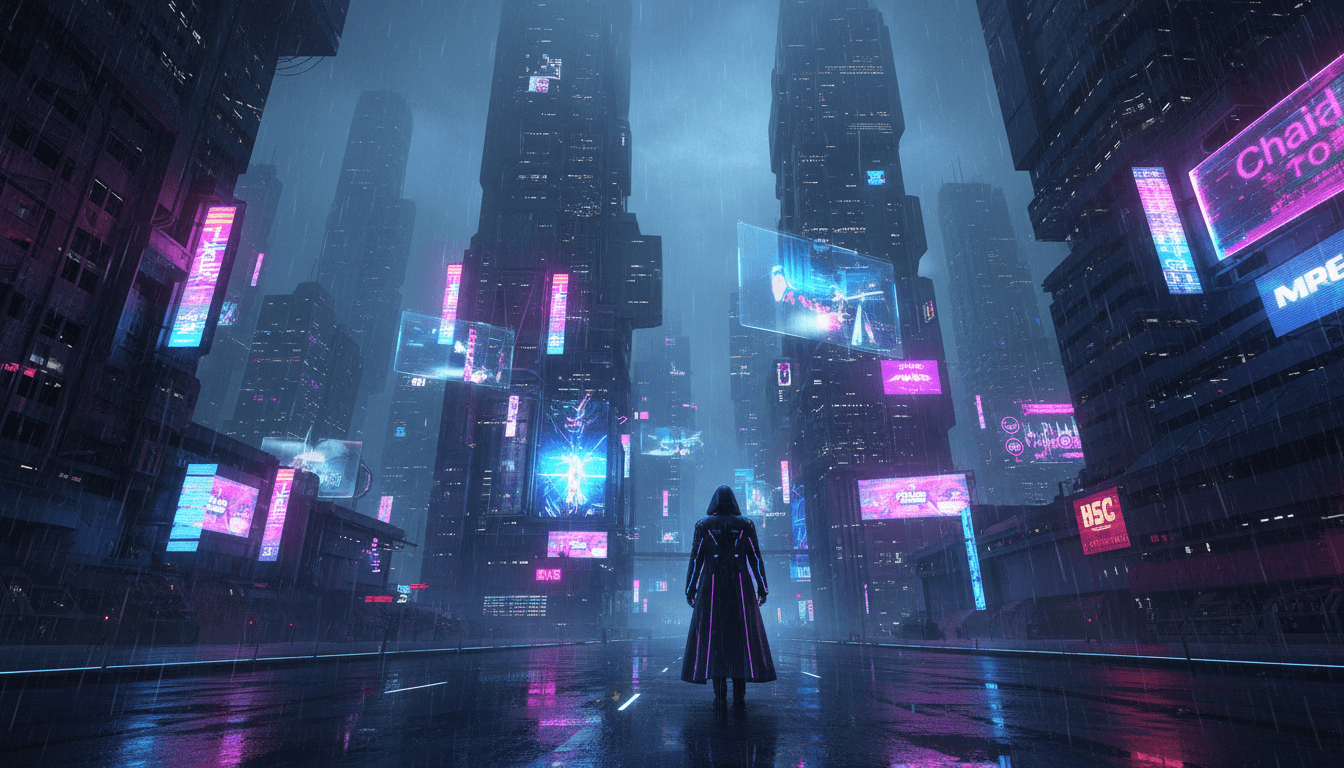
Neon-soaked cityscapes, cybernetic augmentation, and high-tech low-life. Cyberpunk style features electric blues, hot pinks, and acid greens against dark urban backgrounds. Rain-slicked streets reflect neon signs, and every scene feels like a frame from Blade Runner. Read our full cyberpunk guide for deep-dive tips. Ideal for sci-fi, thriller, and dystopian narratives.
Neon Noir
Classic film noir meets modern neon lighting. Neon noir combines deep shadows and high-contrast compositions with vibrant neon color accents — typically magenta, cyan, and electric purple. The result is moody, atmospheric, and intensely stylish. Perfect for detective stories, crime thrillers, urban dramas, and anything that happens after dark.
Steampunk
Victorian elegance meets brass machinery. Steampunk style features ornate clockwork mechanisms, brass and copper tones, top hats and goggles, and the aesthetic of an alternative industrial age. The warm metallic palette and intricate mechanical details make it visually rich and distinctive. Great for adventure stories, alternate history, and any narrative set in a world where steam power never gave way to electricity.
Cinematic
The look of a Hollywood film still. Cinematic style applies professional movie lighting, dramatic color grading, shallow depth-of-field effects, and cinematic composition to comic panels. Characters look like they belong on a movie poster. This style is perfect for dramatic narratives, thriller stories, and any comic that aspires to feel like a film storyboard.
Surreal
Melting clocks, impossible architecture, and dreamlike landscapes. Surreal style draws from the traditions of Dali, Magritte, and Escher — bending reality into visually stunning impossibilities. It's the ideal choice for dream sequences, psychological stories, abstract narratives, and any comic that explores the boundaries between reality and imagination.
Vaporwave
Pastel gradients, Roman busts, palm trees, and retro-futurist aesthetics. Vaporwave style captures the internet-born art movement with its nostalgic, glitchy, lo-fi visual language. Pinks, teals, and purples dominate. It works beautifully for music-themed content, internet culture stories, and any narrative with a dreamy, retro-digital atmosphere.
3D & Animation Styles
These styles bring the look of CGI animation and three-dimensional art into the comic format, creating rich, textured visuals with a sense of depth.
Pixar 3D
The polished, expressive aesthetic of Pixar and Disney animation. Pixar 3D style features smooth rendering, warm lighting, expressive character animation, and the heartfelt visual language that has made Pixar films universally beloved. It's the top choice for family stories, kids' comics, heartwarming narratives, and pet portraits that need maximum charm.
Action Figure
Characters rendered to look like collectible action figures — sculpted, posed, and packaged. Action figure style adds a tactile, toy-like quality with plastic textures, articulated joints, and dramatic posing. It's surprisingly versatile: great for superhero stories, collector culture content, and anyone who wants their characters to look like premium collectibles.
How to Choose the Right Style: Decision Framework
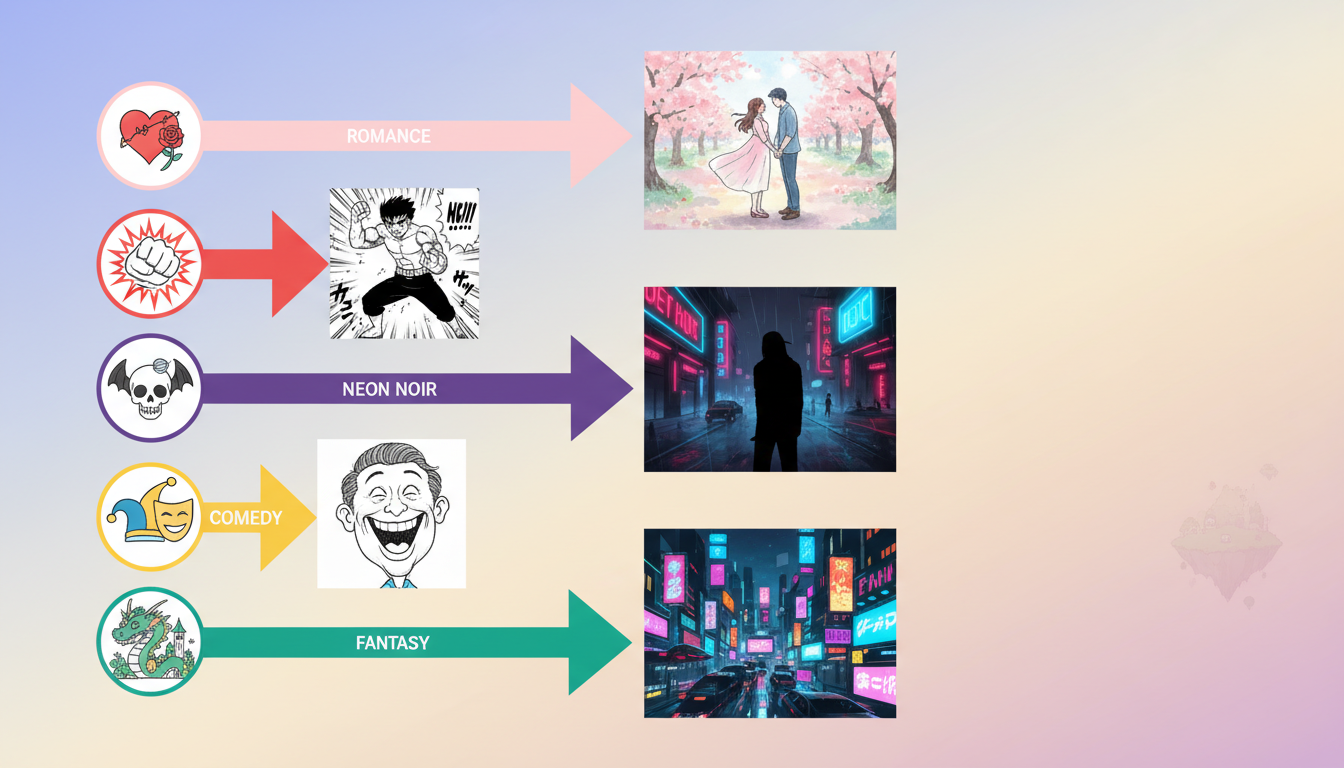
With so many options, choosing a style can feel paralyzing. Use this decision framework to narrow down your choices based on your story's core elements:
Start with Your Genre
- Action & adventure → Manga, Spider-Verse, Cinematic
- Romance & drama → Ghibli, Watercolor, Webtoon
- Comedy & satire → Simpsons, Caricature, Chibi
- Horror & thriller → Neon Noir, Ink Drawing, Surreal
- Sci-fi & dystopia → Cyberpunk, Retro Anime, Pixel Art
- Fantasy & mythology → Renaissance, Oil Painting, Steampunk
- Kids & family → Pixar 3D, Storybook, LEGO, Claymation
Consider Your Audience
- Young children (4-8) → Storybook, Pixar 3D, Chibi, LEGO
- Tweens (9-13) → Manga, Spider-Verse, Pixel Art, Claymation
- Teens (14-19) → Manga, Webtoon, Cyberpunk, Spider-Verse
- Adults (general) → Cinematic, Neon Noir, Watercolor, Pop Art
- Art enthusiasts → Renaissance, Oil Painting, Art Deco, Ink Drawing
Think About the Platform
- Instagram / social media → Pop Art, Ghibli, Simpsons (eye-catching thumbnails)
- Mobile reading → Webtoon, Manga, Chibi (readable on small screens)
- Print / gifts → Watercolor, Oil Painting, Vintage Comic (beautiful at large sizes)
- Messaging / stickers → Chibi, Caricature, LEGO (expressive at small sizes)
Explore All 30+ Art Styles
Try any style free with iCartoon. Create comics in manga, pop art, cyberpunk, Ghibli, and more.
Start Creating Free →Style Mixing and Experimentation
One of the most powerful aspects of AI comic creation is the ability to experiment freely. Unlike traditional art where switching styles means starting from scratch, AI lets you try the same scene in multiple styles instantly. Here are some creative approaches:
- Style per chapter. Use different styles for different story arcs or flashback sequences. A present-day scene in cinematic style, a memory in watercolor, a dream sequence in surreal.
- Mood-matching. Switch styles based on emotional tone. Action scenes in Spider-Verse, quiet moments in Ghibli, comedy beats in chibi.
- A/B testing. Generate the same comic in two or three styles and see which resonates most with your audience before committing to a full series.
- Signature combinations. Some creators develop a signature approach by consistently pairing certain styles with certain story types, building a recognizable brand.
Pro Tips for Getting the Best Results
- Match your prompt to the style. Action-oriented descriptions work best with dynamic styles (manga, Spider-Verse). Atmospheric descriptions shine with painterly styles (Ghibli, watercolor). Humorous descriptions pair naturally with fun styles (Simpsons, caricature).
- Try before you commit. Generate a single test page in your candidate styles before creating a full comic. The same story can look dramatically different across styles, and a quick test prevents regret.
- Consider the full project. Some styles produce more consistent results across many pages than others. Manga, webtoon, and pop art tend to be very consistent. Surreal and watercolor can vary more between panels, which may or may not be desirable.
- Think about text integration. Styles with strong outlines and clear compositions (pop art, manga, vintage comic) tend to integrate speech bubbles and text most cleanly. Painterly styles are beautiful but can sometimes make text harder to place.
- Study real examples. Browse the iCartoon gallery to see what each style looks like in finished comics. Seeing full comic pages — not just single images — gives you a much better sense of how a style works for storytelling.
Frequently Asked Questions
What's the most popular AI comic art style?
Manga is consistently the most popular choice worldwide, followed by Studio Ghibli and Pop Art. However, the "best" style is always the one that fits your specific story and audience.
Can I change art styles after creating a comic?
Yes. With AI comic creation, you can regenerate any comic in a different art style. This is one of the major advantages over traditional comic art — style changes that would take an artist weeks happen in seconds.
Which art style is best for beginners?
Manga, pop art, and chibi produce consistently great results and are forgiving with a wide range of story prompts. Start with one of these three, then explore more specialized styles as you develop your creative preferences.
Are new art styles added over time?
Yes. AI art capabilities continue to expand, and new styles are added regularly. The styles available today are already far beyond what was possible even a year ago, and the quality continues to improve.
Can I create my own custom art style?
While you select from pre-built styles, the way you write your prompts and descriptions influences the final look significantly. Experienced creators develop "style recipes" — specific prompt patterns that consistently produce their desired aesthetic within a given style category.
The art style you choose is the visual voice of your story. It shapes how readers feel before they read a single word. With 30+ styles at your fingertips and the ability to experiment freely, the only limit is your imagination. Explore the full style gallery in iCartoon's AI Comic Creator and find the perfect visual language for your next story.