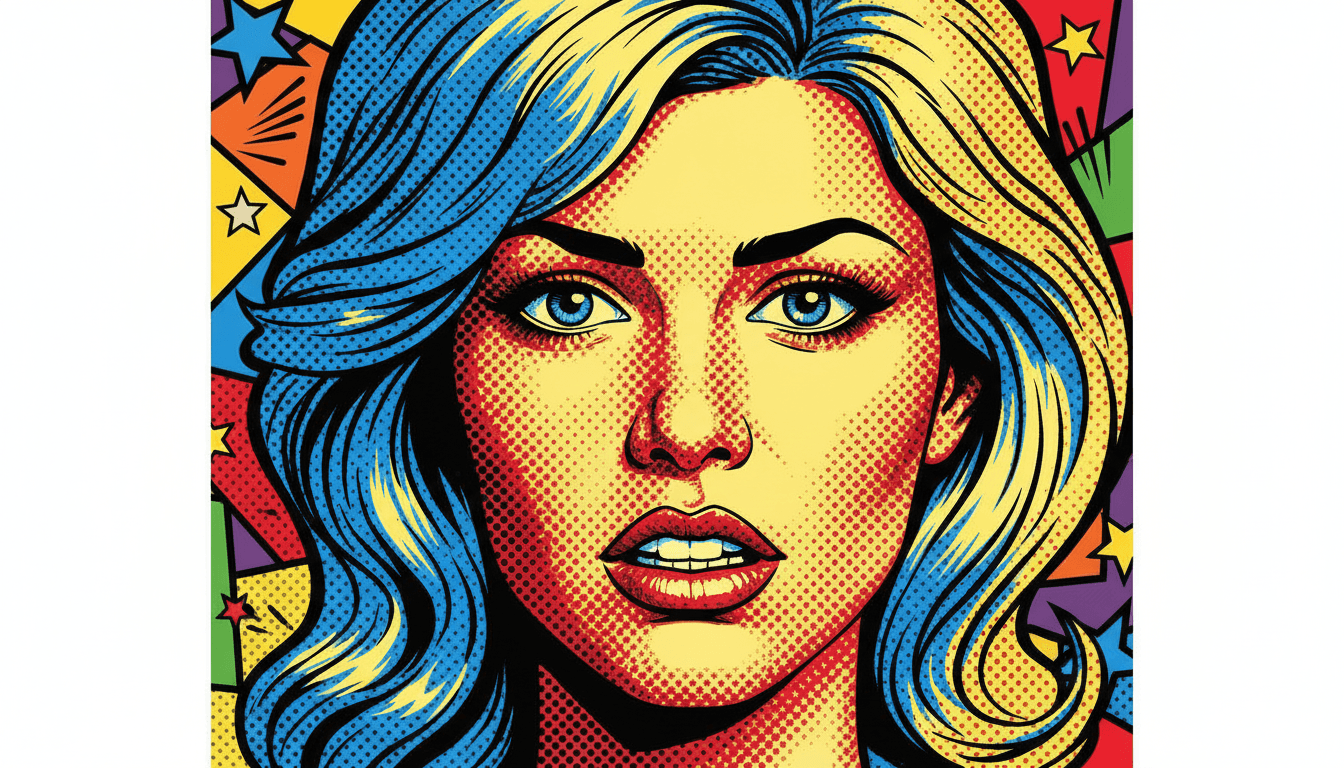
Pop art is loud, bold, and unapologetically eye-catching. It takes the ordinary and makes it extraordinary. A can of soup becomes an icon. A comic panel becomes fine art. A portrait becomes a cultural statement. Since Andy Warhol and Roy Lichtenstein transformed the art world in the 1960s, pop art has remained one of the most recognizable and beloved visual styles on the planet — and it translates perfectly to AI-generated comics.
Whether you want to create Warhol-inspired portraits, Lichtenstein-style comic panels, or vibrant pop art content for social media, AI makes it easier than ever. No screen printing required, no studio needed — just your ideas and a few taps. Let's explore the pop art style, its history, and exactly how to create stunning pop art comics with AI.
The Origins of Pop Art
Pop art emerged in the mid-1950s in Britain and exploded into the mainstream in 1960s America. It was a deliberate rebellion against the abstract expressionism that dominated the art world. While abstract artists aimed for deep emotional expression through paint splatters and color fields, pop artists looked outward — at advertising, consumer products, mass media, and popular culture.
Andy Warhol
The king of pop art. Warhol turned everyday objects into art: Campbell's Soup cans, Coca-Cola bottles, Brillo boxes. His celebrity portraits — Marilyn Monroe, Elvis Presley, Elizabeth Taylor — used bold, flat colors and repetition to blur the line between art and mass production. Warhol's genius was in showing that art could come from anywhere, including the grocery store aisle.
Roy Lichtenstein
If Warhol borrowed from consumer products, Lichtenstein borrowed from comic books. He took actual comic panels and blew them up to enormous scale, recreating them with meticulous Ben-Day dots (the small colored dots used in commercial printing). His paintings — "Whaam!", "Drowning Girl", "Oh, Jeff" — turned disposable comic art into museum masterpieces. Lichtenstein's work is the direct ancestor of AI pop art comic generation.
Other Pop Art Pioneers
Jasper Johns painted flags and targets. Claes Oldenburg created giant sculptures of everyday objects. James Rosenquist made mural-sized collages from advertising imagery. Keith Haring brought pop art to the streets with his bold, graphic graffiti. Together, these artists created a movement that celebrated popular culture, mass production, and the democratization of visual art.
Visual Elements of Pop Art Style
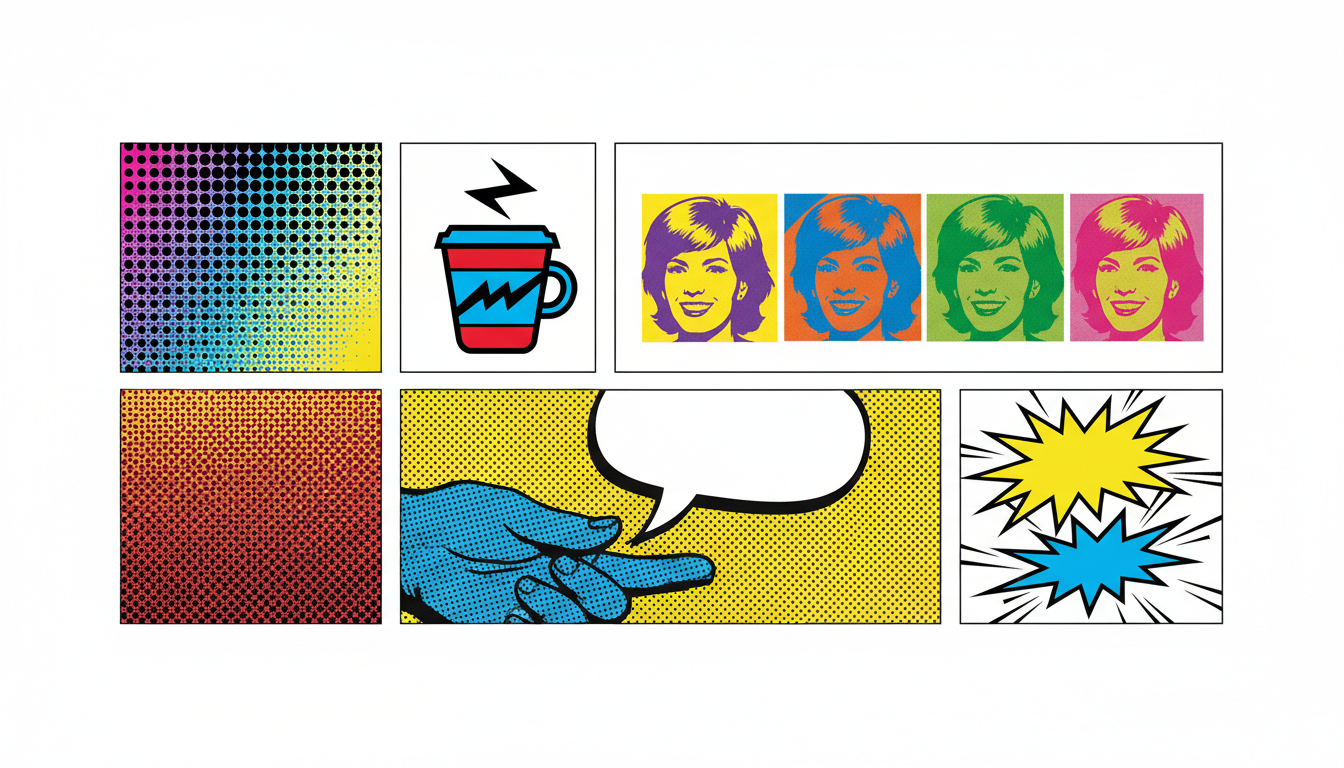
Pop art has a distinctive visual vocabulary that makes it instantly recognizable. Understanding these elements helps you get the best results from AI pop art generation:
Halftone Dots (Ben-Day Dots)
The signature texture of pop art. In traditional printing, images are created from tiny colored dots of varying sizes and spacing. Lichtenstein made these dots visible and intentional, turning a printing technique into an art style. In AI pop art, halftone patterns add authentic texture and visual interest to backgrounds, skin tones, and shadows.
Bold Black Outlines
Thick, confident outlines define every shape in pop art. There's no subtlety here — every edge is crisp, every form is clearly delineated. This creates the graphic, high-impact look that makes pop art so effective, especially at small sizes and on screens.
Primary and Saturated Colors
Pop art loves bold color. Reds, blues, yellows, and their combinations dominate the palette. Colors are flat and saturated — no gradients, no muted tones, no ambiguity. This flat color approach gives pop art its graphic punch and makes it read powerfully from across a room or in a social media thumbnail.
Text and Speech Bubbles
Lichtenstein's work prominently featured speech bubbles and onomatopoeia — "POW!", "WHAM!", "Oh, Jeff..." Text in pop art is bold, blocky, and dramatic. It's not just dialogue; it's a visual element in its own right. AI pop art comics can include these dramatic text elements, adding authenticity to the pop art aesthetic.
Repetition and Serialization
Warhol loved repetition. His Marilyn diptych shows the same image repeated in different color schemes. This serialized approach — the same subject in multiple variations — is a defining pop art technique that works brilliantly with AI generation. Create multiple versions of the same portrait in different pop art color palettes for a true Warhol-inspired grid.
Creating Pop Art Comics with AI
iCartoon's Pop Art style captures all of these visual elements — halftone dots, bold outlines, saturated colors, and graphic compositions. Here's how to use it for different creative projects:
Pop Art Portraits
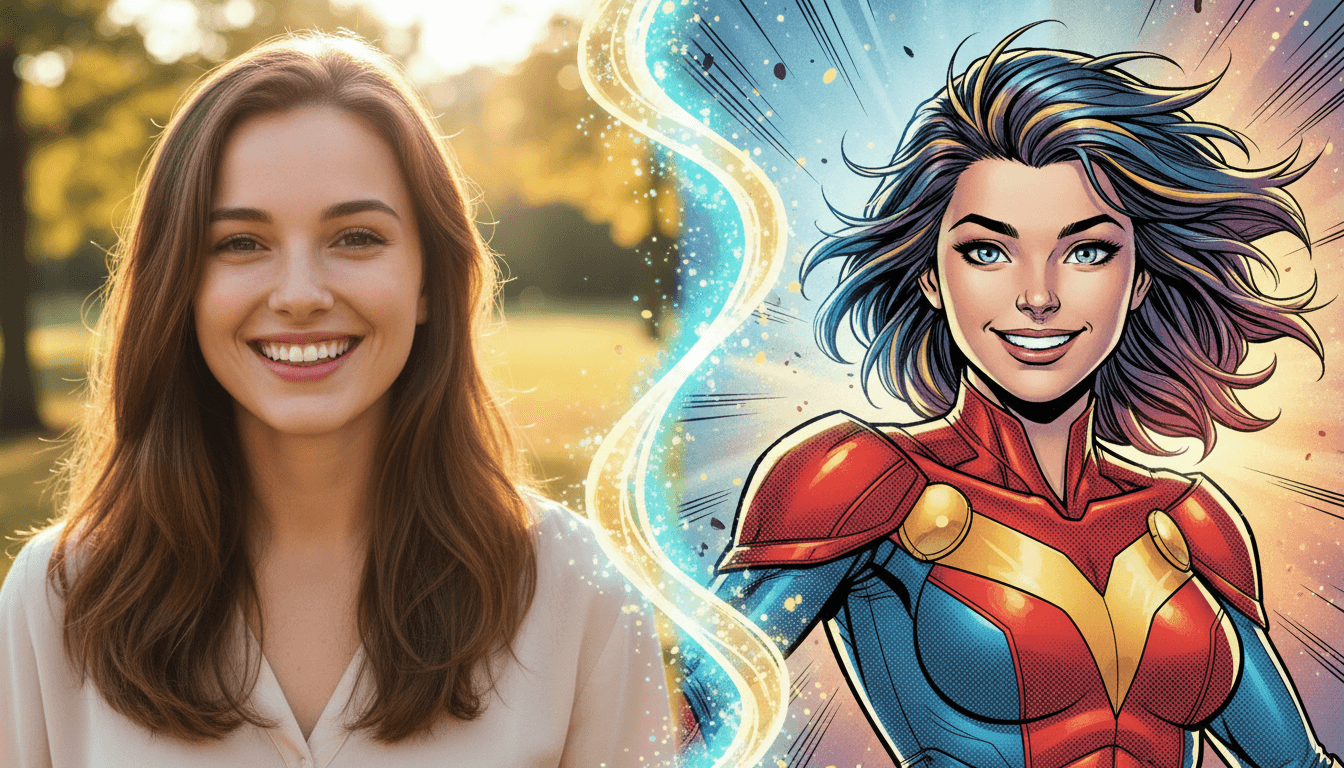
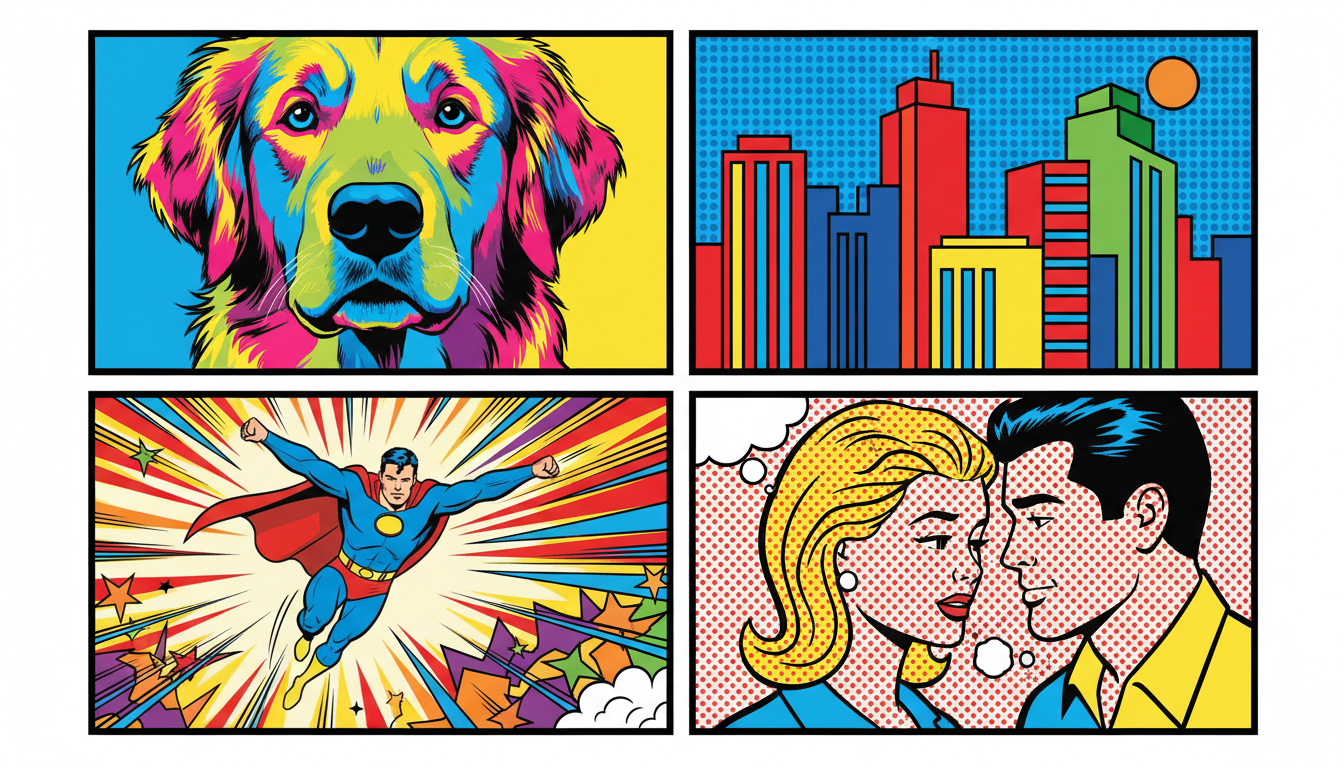
The most popular use of pop art style is transforming photos into bold pop art portraits. Upload a selfie, pet photo, or group shot to iCartoon's photo-to-comic converter and select Pop Art. The AI recreates the photo with thick outlines, flat bold colors, and halftone textures. The result looks like a genuine Warhol screen print or Lichtenstein panel.
For the most striking results:
- Use photos with clear, well-lit faces
- Expressive faces (big smiles, dramatic looks) translate best into pop art
- Close-up shots work better than full-body photos
- Try creating a Warhol-style grid: the same portrait in 4-6 different color schemes
Pop Art Comic Strips
Create comic stories entirely in the pop art style using the AI Comic Creator. Pop art comics work brilliantly for humor, satire, and slice-of-life stories. The style's inherent playfulness makes even mundane situations feel dynamic and entertaining. Write your story, select Pop Art, and generate multi-page comics that look like they were ripped from a Lichtenstein exhibition.
Pet Pop Art
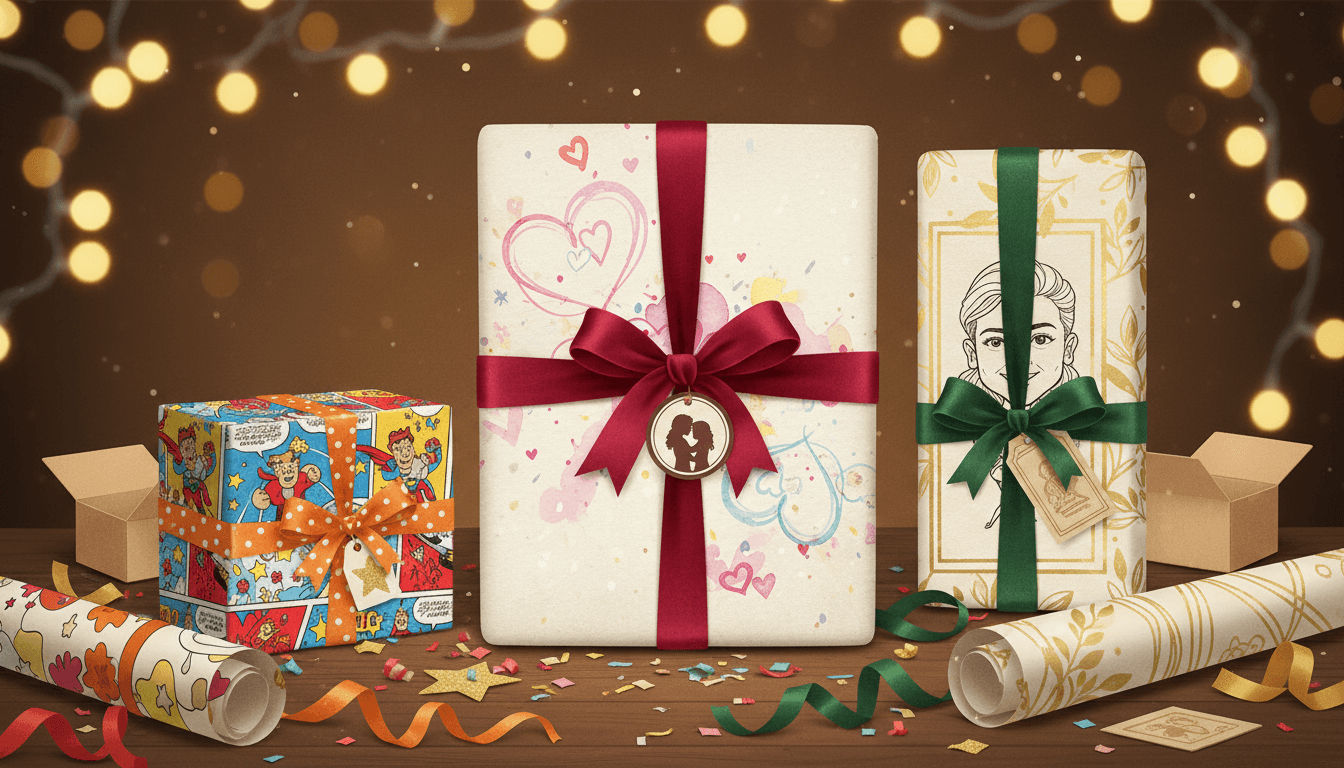
Pets in pop art style are endlessly charming. A dog's face rendered with bold outlines and halftone shading becomes an instant art piece worthy of hanging on a wall. Cat portraits in pop art have Warhol energy. Birds, hamsters, even fish — any pet becomes a pop art masterpiece. This is also one of the most popular comic gift ideas.
Pop Art for Social Media
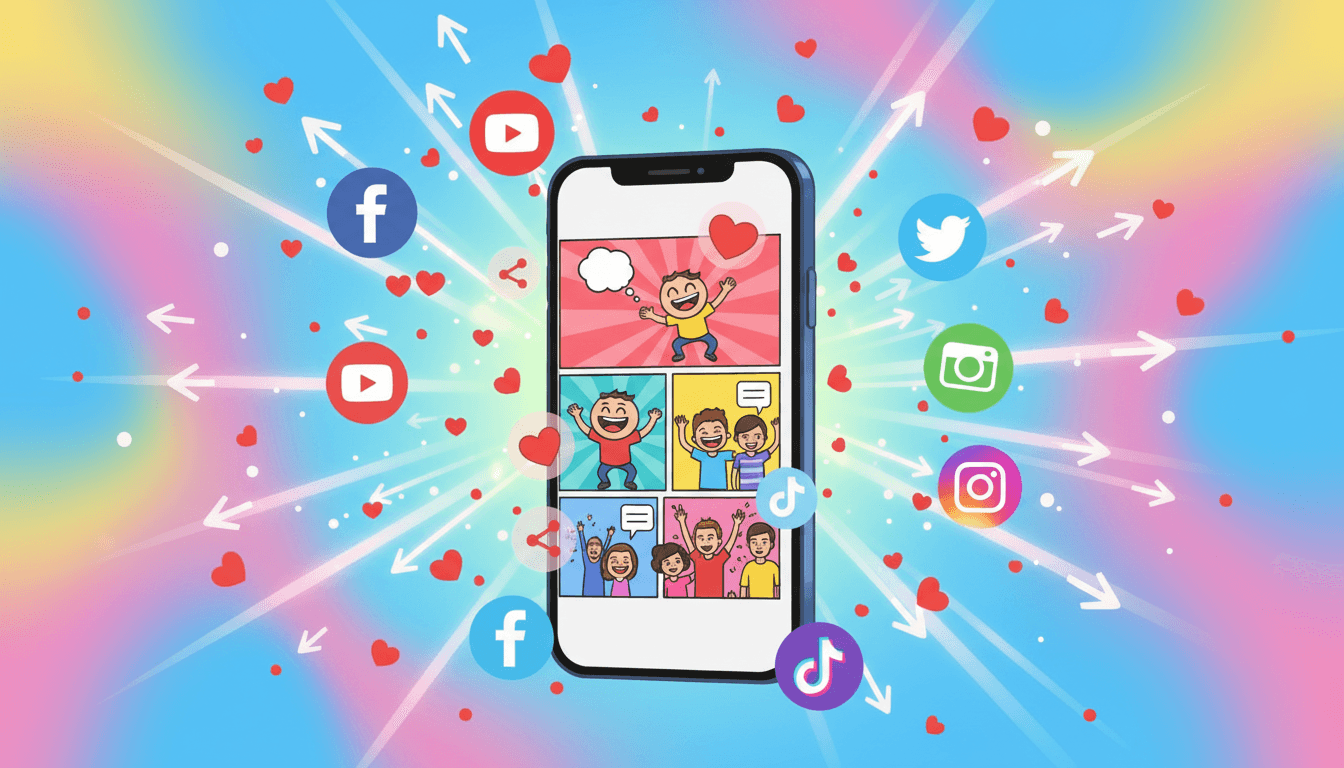
Pop art is practically designed for social media. Its bold colors, graphic compositions, and eye-catching patterns stop scrollers in their tracks. Here's how to use pop art style for different platforms:
Pop art portraits make incredible profile pictures and posts. Create a Warhol-style 2x2 grid of the same portrait in different color schemes for maximum impact. The high contrast and bold colors look stunning in Instagram's square format and grab attention even as tiny thumbnails in the feed.
TikTok
Before-and-after pop art transformations perform extremely well on TikTok. Show the original photo, then reveal the pop art version with a satisfying transition. The dramatic visual difference makes for compelling content that viewers want to share.
Twitter/X Profile
A pop art self-portrait is one of the most eye-catching profile pictures you can have. It's distinctive, creative, and signals personality. Pop art headers (banner images) also stand out dramatically against the typical photo backgrounds most profiles use.
WhatsApp and Messaging
Pop art portraits of friends make hilarious and thoughtful digital gifts. Send someone a pop art version of their selfie — it's the kind of unexpected message that brightens someone's day and always gets a reaction.
Pop Art vs Other Bold Styles
Pop art shares some visual territory with other styles but remains distinct. Here's how it compares:
- Pop Art vs Vintage Comic — Both use bold lines and flat colors, but pop art is more saturated and graphic. Vintage comic has a retro warmth with muted, aged colors. Pop art is intentionally loud; vintage comic is nostalgically warm.
- Pop Art vs Spider-Verse — Spider-Verse also uses halftone dots but combines them with modern animation techniques, chromatic aberration, and more complex compositions. Pop art is flatter and more graphic. Spider-Verse is more three-dimensional and cinematic.
- Pop Art vs Caricature — Both are playful, but pop art maintains relatively realistic proportions with stylized color treatment. Caricature exaggerates physical features for humorous effect. Pop art's humor comes from context and color, not distortion.
- Pop Art vs Pixel Art — Both use bold, flat colors, but pixel art uses a grid of square pixels. Pop art uses halftone dots, smooth outlines, and traditional illustration techniques at large scale.
Create Pop Art Instantly
Transform any photo into bold pop art — portraits, pets, comics, and more. No art skills needed.
Try Pop Art Style Free →Tips for Stunning Pop Art Results
- High contrast subjects work best. Photos with clear differences between light and dark areas produce the most impactful pop art. Avoid flat, evenly-lit photos — a little shadow and contrast goes a long way.
- Simple backgrounds are better. Pop art is about the subject, not the setting. Photos with busy backgrounds can muddy the result. Close-up portraits against simple backdrops produce the cleanest pop art.
- Embrace bold emotions. Pop art amplifies everything. Big smiles become beaming. Surprised looks become dramatic. Lean into expressive photos for the most authentic pop art feel.
- Try the Warhol grid. Generate the same portrait 4-6 times with slight variations. Arrange them in a grid for an iconic Warhol-inspired composition that works as wall art, profile pictures, or prints.
- Use pop art for humor. The style naturally adds a layer of fun and irreverence. Everyday moments — eating breakfast, walking the dog, sitting in traffic — become entertaining when rendered in bold pop art.
Frequently Asked Questions
What's the difference between pop art and a photo filter?
A photo filter adjusts colors and contrast on top of your original photo. AI pop art recreates your image from scratch in the pop art style — with proper halftone dots, bold outlines, and flat color areas. The result looks like a genuine illustration, not a filtered photograph.
Can I create Warhol-style repeated portraits?
Yes. Generate the same portrait multiple times with the pop art style. Each generation may have slight color variations, which is perfect for creating a Warhol-inspired grid of colorful portrait variations.
Is pop art good for comic stories or just portraits?
Both. While pop art portraits are the most popular use, full comic stories in pop art style look fantastic. The bold visual language makes every panel punchy and engaging. Pop art works especially well for humor, slice-of-life, and social commentary comics.
Which photos work best for pop art conversion?
Close-up portraits with expressive faces, good lighting, and clear subjects produce the best pop art. Pets also convert beautifully. The style is less suited to complex landscape scenes — pop art's power is in bold, graphic subjects, not subtle environmental detail.
Can I use pop art commercially?
Pop art created with iCartoon is yours to use however you like, including for commercial purposes such as merchandise, social media marketing, printed products, and digital content.
Pop art proves that art doesn't need to be quiet, subtle, or serious to be powerful. Warhol and Lichtenstein showed the world that bold, graphic, accessible art could be just as meaningful as anything hanging in a traditional gallery. With AI, that same bold energy is available to everyone. Turn your photos into pop art, create comics that pop off the screen, and embrace the style that celebrates everyday life in the most colorful way possible. Start creating pop art now.