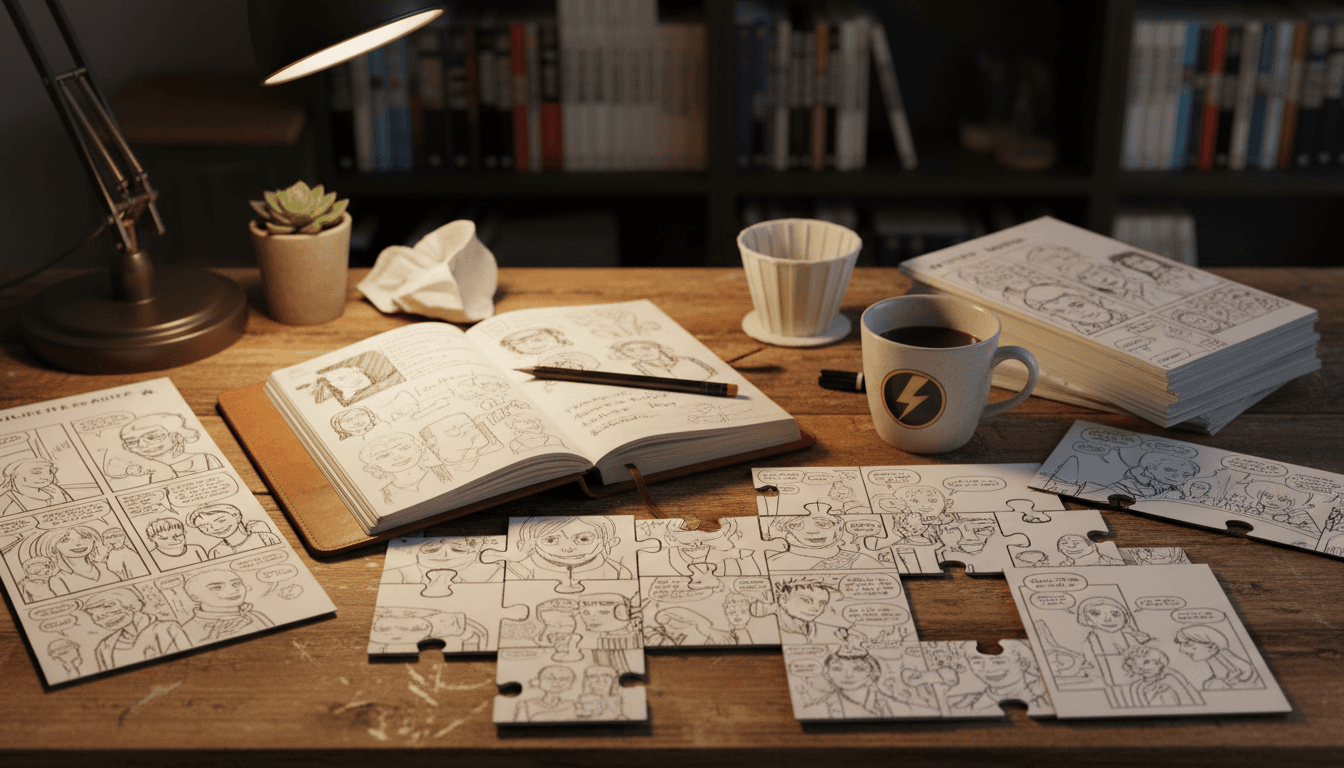
Every great comic book starts with a great story. The art catches your eye, but it's the story that keeps you turning pages. Whether you're creating a superhero epic, a slice-of-life manga, or a heartfelt personal narrative, the fundamentals of comic book storytelling remain the same — and mastering them is more accessible than you think.
Writing for comics is a unique skill that sits at the intersection of prose writing, screenwriting, and visual art direction. Unlike a novel where you can spend paragraphs on a character's inner thoughts, or a film where actors convey emotion through performance, comics tell stories through the interplay of images and words in a fixed space. Every panel is a frozen moment that must simultaneously advance the plot, convey emotion, and guide the reader's eye to the next beat.
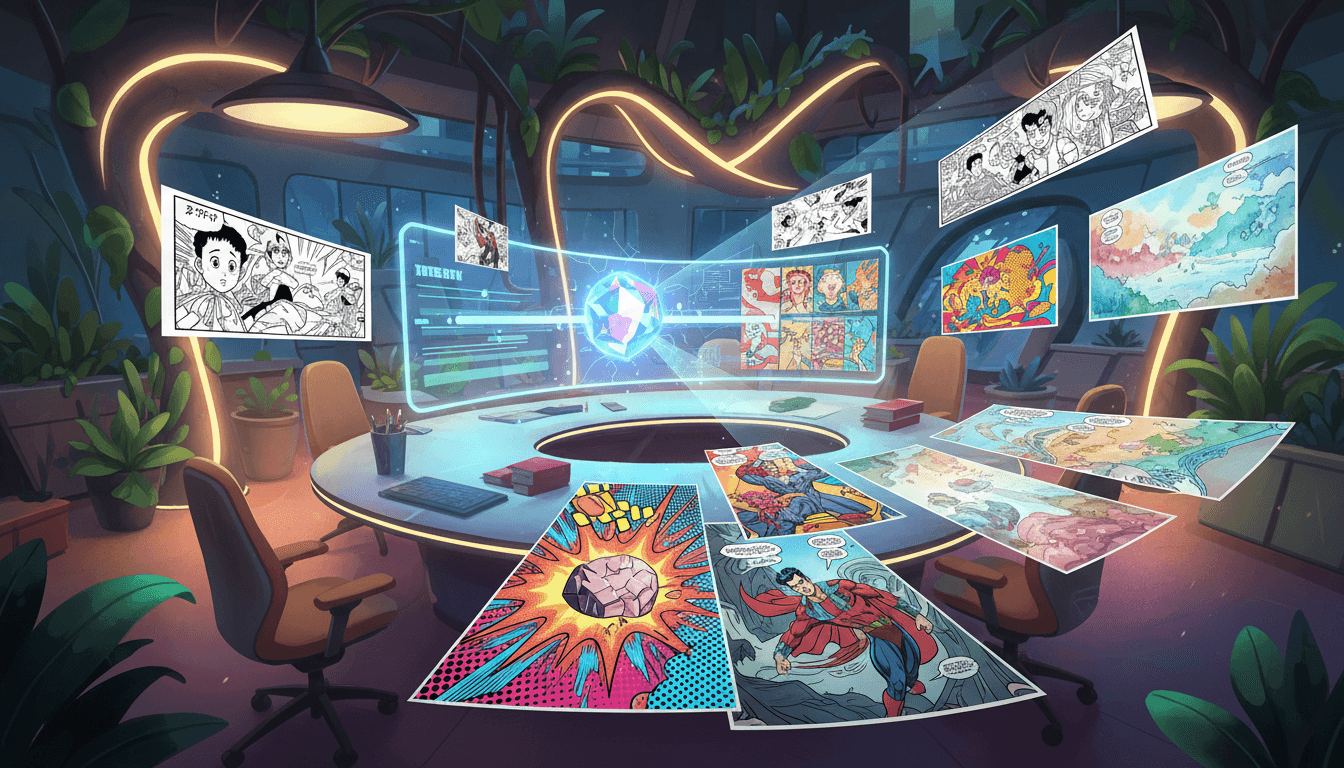
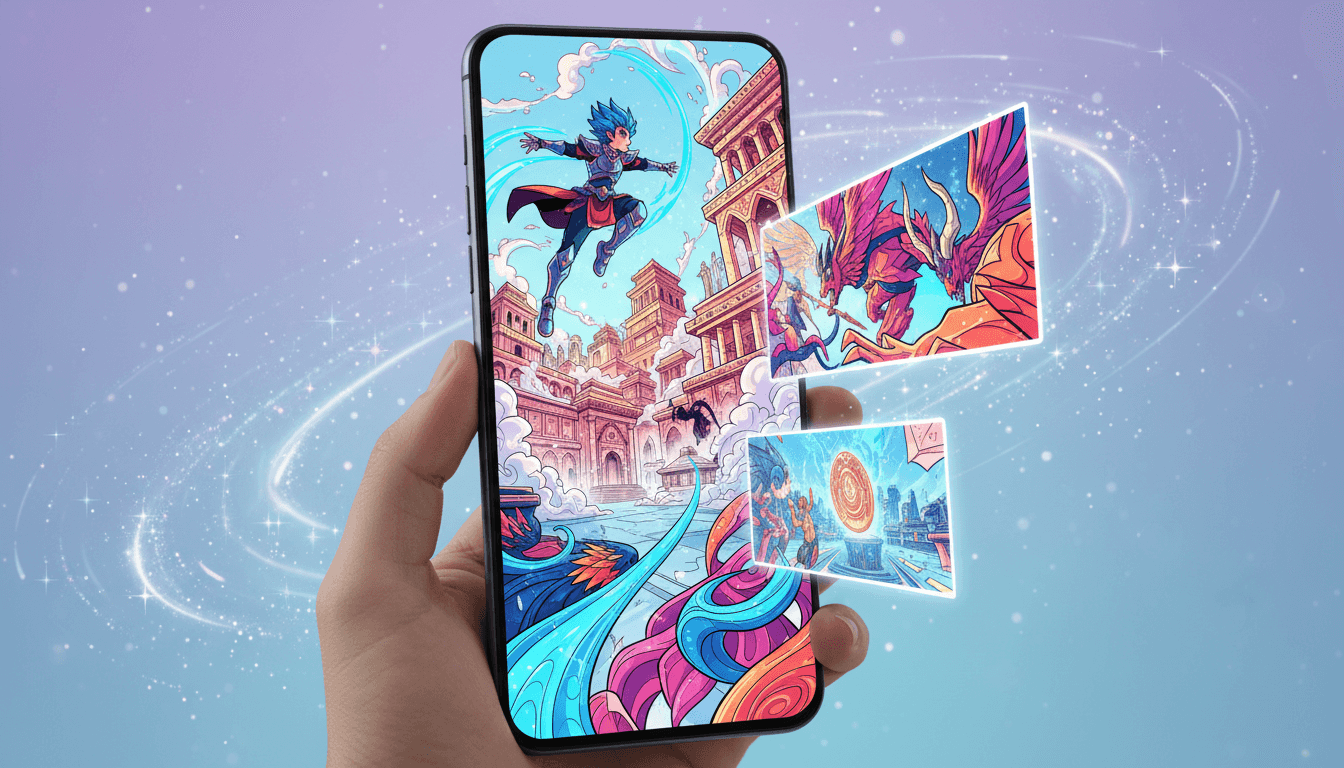
This guide will walk you through everything you need to know to write your first comic book story — from the initial concept to a finished script ready for art generation. And with modern AI comic creators, turning that script into a visual comic is easier than ever.
The 3-Act Structure for Comics
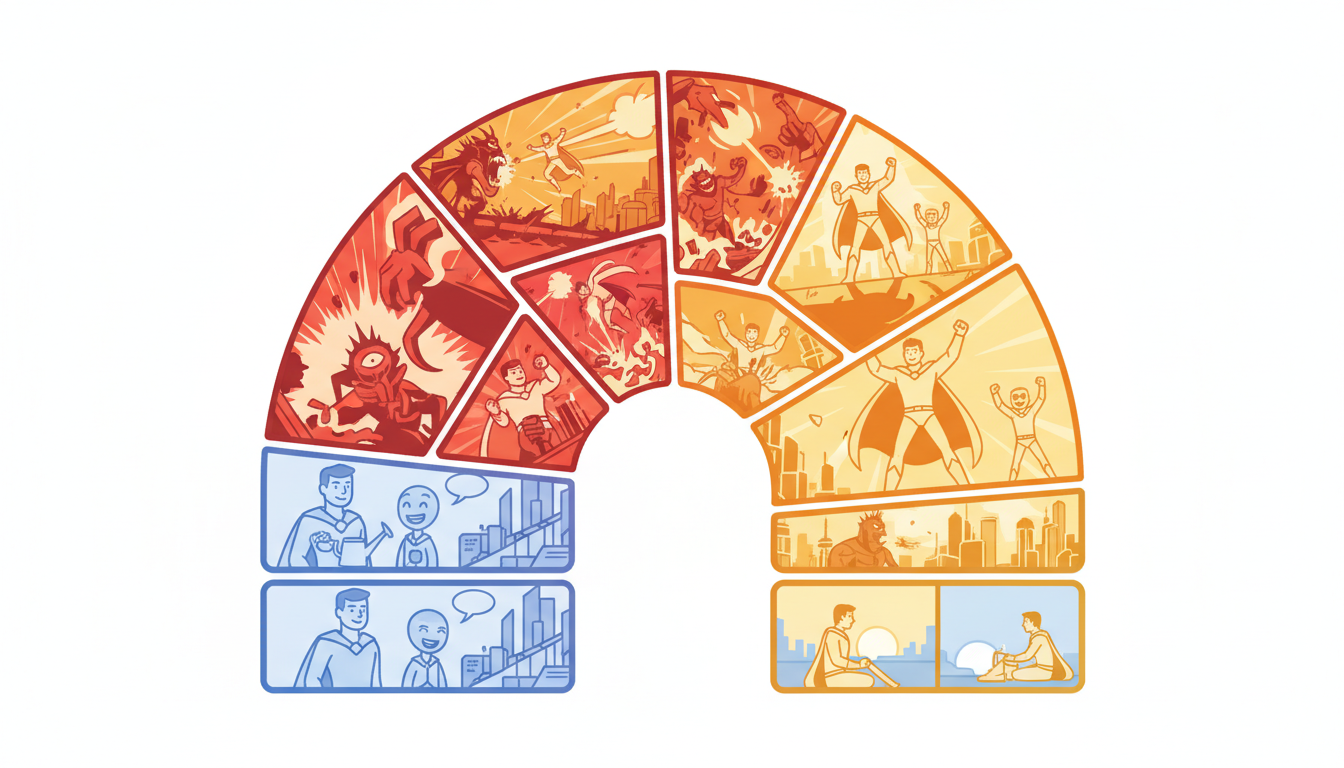
The three-act structure is the backbone of most successful stories, and it works brilliantly for comics. But comic books have unique pacing demands that require adapting the traditional formula. Here's how the three acts break down for comic storytelling:
Act 1: The Setup (25% of Your Pages)
Your opening pages need to accomplish three things quickly: introduce your protagonist, establish the world, and present the conflict. In a novel, you might spend fifty pages on setup. In a 12-page comic, you have about three pages — maybe nine to twelve panels — to hook the reader.
The best comic openings drop readers into the middle of something interesting. Don't start with a character waking up and going about their morning routine (unless that routine involves fighting aliens). Start with action, mystery, or conflict. Show your character doing something that reveals who they are.
- Page 1 — A strong visual hook. This is your first impression. A dramatic scene, a striking character introduction, or an intriguing situation that makes the reader want to know more.
- Pages 2-3 — Establish the status quo and introduce the inciting incident. What is your character's normal life? What event disrupts it? The inciting incident is the spark that ignites the story.
Act 2: The Confrontation (50% of Your Pages)
This is the meat of your story. Your protagonist pursues their goal, faces escalating obstacles, and undergoes change. In comics, Act 2 is where your visual storytelling skills matter most. Each obstacle should be bigger than the last, and each failure should push your character to adapt and grow.
The midpoint — roughly the middle of your story — should contain a major revelation or reversal that changes everything the reader (and the protagonist) thought they knew. In a mystery comic, this might be discovering the suspect was framed. In an action comic, the hero might lose their first major battle.
Act 3: The Resolution (25% of Your Pages)
The climax and resolution. Everything your character has learned and experienced converges in a final confrontation — physical, emotional, or both. The resolution should feel earned based on what came before. Your protagonist succeeds (or fails) because of the choices they made throughout the story, not because of luck or coincidence.
The final page or panel is your lasting impression. End with an image that resonates — a triumphant hero standing tall, a quiet moment of reflection, a cliffhanger that demands a sequel, or an emotional payoff that ties back to the opening.
Character Development in Limited Space
Comics give you limited real estate to develop characters, which means every panel has to count. You can't rely on internal monologue the way a novelist does. Instead, you reveal character through action, dialogue, and visual design.
Show, Don't Tell (Literally)
Comics are the ultimate "show, don't tell" medium. Instead of writing "Sarah was brave," show Sarah stepping between a bully and a smaller kid. Instead of "Marcus was lonely," show Marcus eating lunch alone at a large empty table while other students laugh together in the background. The image conveys the emotion instantly, without a single word of narration.
The Character Design Shorthand
In comics, how a character looks communicates volumes before they say a word. A character's silhouette should be distinctive enough to recognize at a glance. Think about what visual elements define your character: their posture, clothing, hair, accessories, and expressions. When writing for AI comic generation, describing these details in your character descriptions helps produce consistent, recognizable characters.
Character Arcs in Miniature
Even in a short comic, your protagonist should change. The character on the last page should be different from the character on the first page — wiser, braver, humbler, or fundamentally transformed. This arc doesn't need to be dramatic. A shy character who finds courage to speak up, or a selfish character who makes a single selfless choice — small changes land powerfully when paired with the right visual moment.
Panel Composition and Pacing
This is where comic writing diverges most from other storytelling forms. You're not just writing a story — you're directing a visual experience. The number of panels per page, their size, and their arrangement control how fast or slow the reader moves through your narrative.
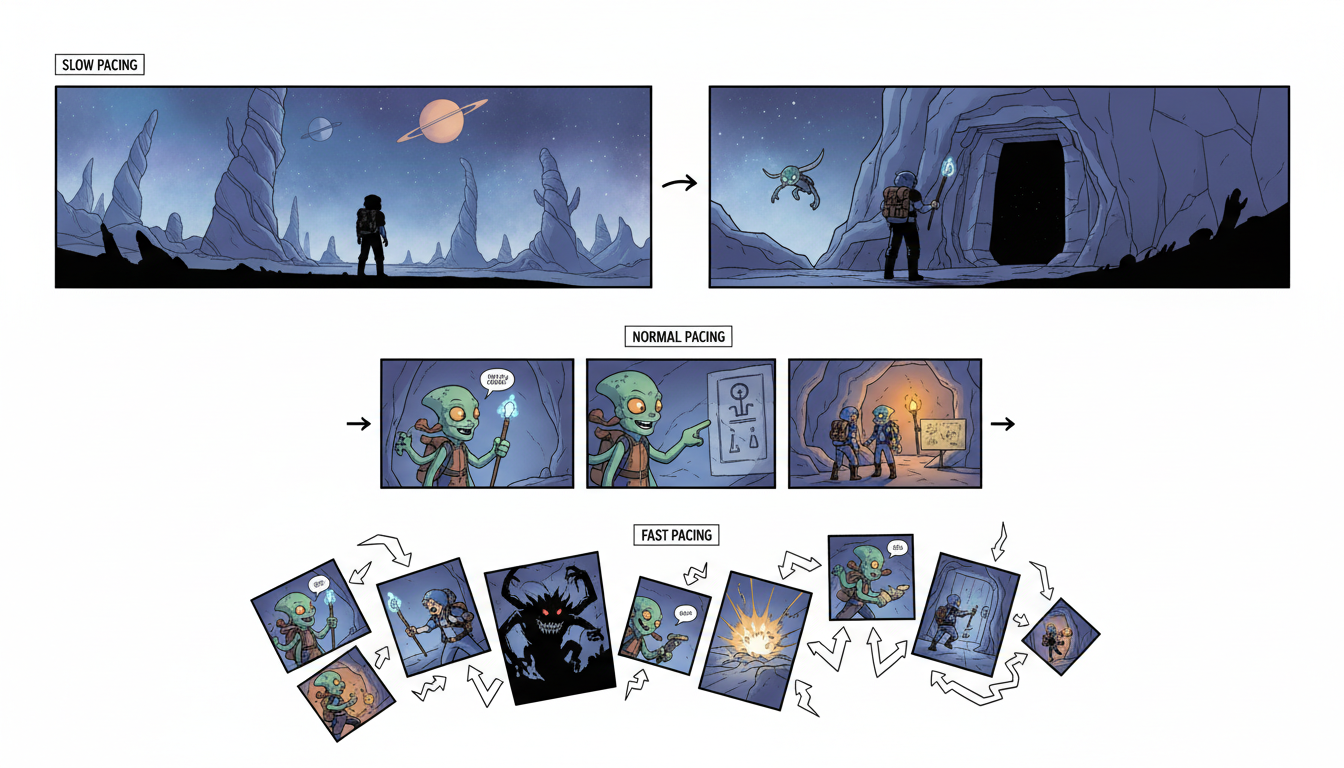
Panel Count and Pacing
- 1-2 panels per page — Slow, dramatic moments. Use for splash pages, emotional reveals, or landscape establishing shots. The reader lingers on these pages.
- 3-4 panels per page — Standard narrative pacing. Good for dialogue scenes, character interactions, and plot advancement. This is your default rhythm.
- 5-6 panels per page — Fast pacing. Quick exchanges, rapid action, montage sequences. The reader moves quickly through these pages.
- 7+ panels per page — Very fast. Staccato moments, frantic action, time passing rapidly. Use sparingly for maximum impact.
Vary Your Rhythm
The key to great comic pacing is variation. A full-page splash panel after several pages of dense, multi-panel action creates a dramatic pause that hits hard. Conversely, shifting from wide, cinematic panels to tight close-ups increases tension and intimacy. Think of your page layouts like music — you need both loud moments and quiet ones to create a compelling rhythm.
The Page Turn Reveal
One of the most powerful tools in comic storytelling is the page turn. In physical comics (and swipeable digital ones), readers see two pages at a time. The last panel on a right-hand page is your cliffhanger — the thing that compels the reader to turn the page. The first panel on the next page is the reveal. Use this rhythm deliberately: build tension on even-numbered pages and deliver payoffs on odd-numbered pages.
Writing Dialogue for Speech Bubbles
Comic dialogue is its own art form. It's not naturalistic conversation (which is often rambling and repetitive), and it's not literary prose (which can be too dense for bubbles). Good comic dialogue is concise, character-specific, and functional.
Keep It Short
A speech bubble should contain no more than 20-25 words. If you find yourself writing longer dialogue, break it into multiple bubbles or multiple panels. Readers' eyes should move smoothly between art and text. A bubble that covers half the panel defeats the purpose of visual storytelling.
Each Character Needs a Voice
Your characters should sound different from each other. A scientist character might use precise, technical language. A teenager might use slang and incomplete sentences. A villain might speak in formal, controlled tones. When writing dialogue, cover the character names and see if you can still tell who's talking. If you can't, the voices aren't distinct enough.
Dialogue Does Double Duty
Every line of dialogue in a comic should accomplish at least two things: advance the plot AND reveal character. "We need to get to the tower before midnight" advances the plot. "We need to get to the tower before midnight, or I'll never forgive myself" advances the plot AND reveals the character's emotional stakes. Cut any dialogue that doesn't earn its panel space.
Sound Effects and Narration
Sound effects (BOOM, CRASH, WHOOSH) are part of comic dialogue. Use them to add energy and action to panels. Narration boxes — those rectangular text boxes typically at the top or bottom of panels — should be used sparingly. They're useful for time jumps ("Three weeks later..."), internal monologue in noir-style stories, or bridging transitions between scenes. But if the art can tell the story without narration, let it.
Turn Your Story Into a Visual Comic
Write your story, choose an art style, and let AI bring it to life in minutes.
Start Writing Your Comic →Comic Script Format: How to Write It
There's no single standard comic script format, but most professional scripts follow a similar structure. Here's a simplified format you can use — and that works perfectly as input for AI comic generators:
The Page-Panel Method
Organize your script by page number and panel number. For each panel, describe: (1) what the reader sees, and (2) any dialogue or text.
Example:
- Page 1, Panel 1 — Wide shot of a futuristic city at sunset. Neon signs reflect off wet streets. CAPTION: "Neo-Tokyo, 2089."
- Page 1, Panel 2 — Close-up of Yuki, a young woman with short silver hair, looking at a holographic message on her wrist device. YUKI: "They found us."
- Page 1, Panel 3 — Over Yuki's shoulder, we see shadows approaching from an alley. SFX: *footsteps*
Story Outline Approach
If the page-panel method feels too detailed, you can write a story outline instead. This works especially well with AI comic generators, which can interpret narrative descriptions and create appropriate panel layouts automatically. Write your story as a sequence of scenes with key moments, dialogue, and emotional beats. The AI handles the visual translation.
Common Storytelling Mistakes to Avoid
- Too much happening on one page. Every page should have one clear focus or beat. If a page contains a fight, a flashback, and a romantic confession, it's doing too much. Spread those beats across pages.
- Telling through narration what the art already shows. If the panel shows rain pouring down on a sad character, you don't need a caption that says "It was a rainy, sad day." Trust your visuals.
- Starting too slowly. Comics are a competitive medium — readers decide within the first page whether to continue. Hook them immediately with a compelling image, question, or conflict.
- Forgetting the visual medium. If your entire story could work as a prose short story with no changes, you're not taking advantage of what makes comics unique. Think about what moments are best told visually — a wordless chase scene, a dramatic reveal, a before-and-after transformation.
- Inconsistent tone. A horror comic that suddenly becomes a comedy confuses readers. Establish your tone early and maintain it. You can have light moments in dark stories and vice versa, but the overall tone should be consistent.
From Script to Visual Comic with AI
Here's where everything comes together. Once you've written your story — whether it's a detailed page-by-page script or a narrative outline — AI comic generators can turn it into a visual comic book. The AI interprets your story descriptions, creates consistent characters, designs panel layouts, generates backgrounds and environments, and produces finished comic pages in your chosen art style.
This means you can focus entirely on what makes your story great — the characters, the conflict, the dialogue, the pacing — without worrying about whether you can draw it. Write the story you want to tell, and let the AI handle the visual execution.
Tips for writing stories that generate well with AI:
- Describe characters visually. Include details about hair color, clothing, build, and distinctive features. The more visual information you provide, the more consistent your characters will be.
- Set the scene. Describe locations and environments. "A cluttered detective's office with a flickering neon sign outside the window" gives the AI much more to work with than "an office."
- Specify emotional beats. "She stares at the letter with tears in her eyes" produces more emotionally resonant art than "she reads the letter."
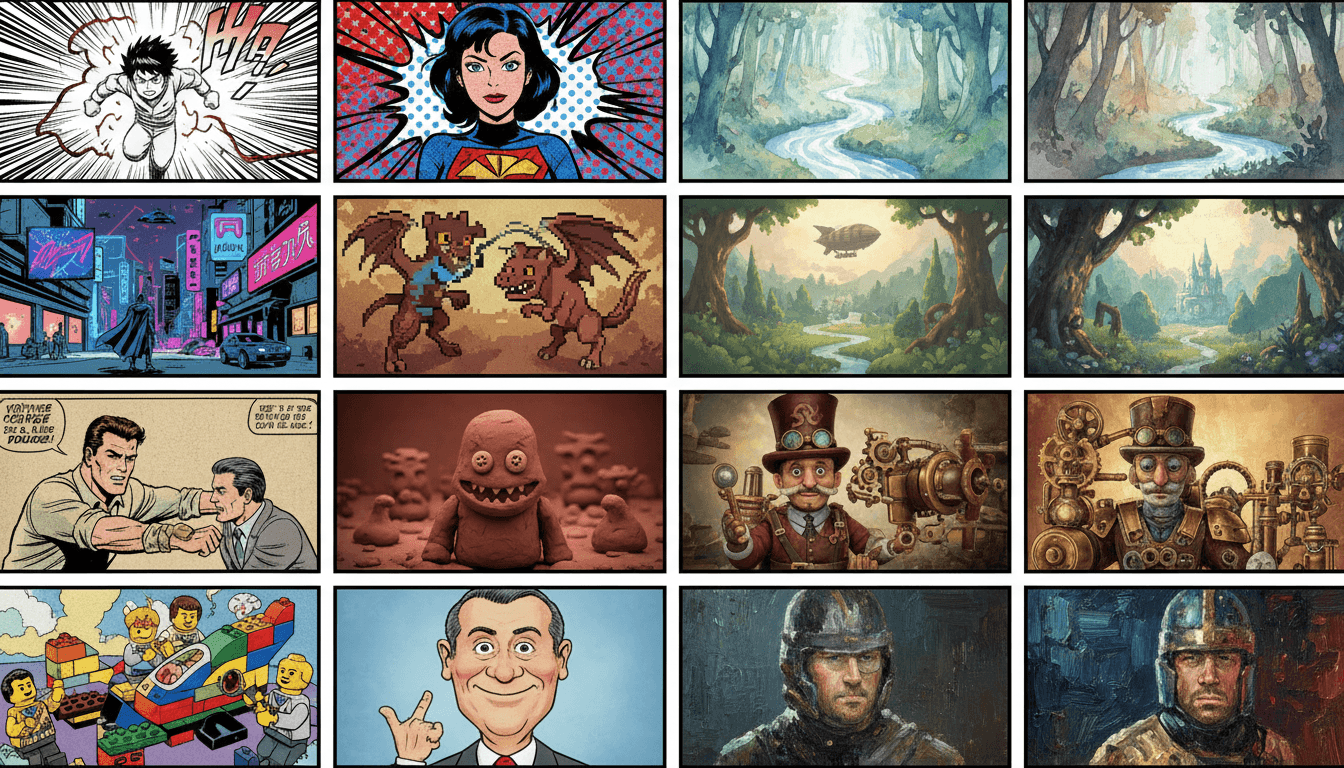
- Choose the right art style. Match your story's tone to the visual style. Manga for action and emotion, Ghibli for warmth and wonder, Neon Noir for dark mysteries, Chibi for humor.
Frequently Asked Questions
How long should my first comic book story be?
Start with 6-8 pages. This is long enough to tell a complete story with a beginning, middle, and end, but short enough to be manageable for your first project. As you get comfortable, you can expand to 12-24 pages or multi-chapter series.
Do I need to write a full script or can I just describe the story?
Both approaches work. AI comic generators like iCartoon can work with detailed panel-by-panel scripts or general story descriptions. If you're just starting out, writing a story outline is faster and easier. The AI handles panel layout and composition.
How do I create consistent characters across multiple pages?
Include clear character descriptions at the beginning of your story — physical appearance, clothing, and distinctive features. AI tools maintain character consistency across panels and pages when given strong visual descriptions to work from.
What makes a good comic book villain or antagonist?
The best antagonists believe they're the hero of their own story. Give your villain a motivation that makes sense from their perspective, even if their methods are wrong. A villain who wants to save the environment through extreme measures is more compelling than one who's evil for no reason.
Can I write comics in any genre?
Absolutely. Comics span every genre: superhero, horror, romance, comedy, sci-fi, fantasy, slice-of-life, mystery, historical, and more. There's no genre that doesn't work in comic form. Choose the genre you're most passionate about — your enthusiasm will show in the writing.
Writing comic book stories is one of the most rewarding creative pursuits you can take on. The combination of visual and narrative storytelling creates something neither prose nor film can replicate. And with AI removing the drawing barrier, the only skill you truly need is the ability to tell a compelling story. Start with a character you care about, give them a problem worth solving, and let the story unfold — panel by panel, page by page. Your first comic is waiting to be written.