
There's something deeply satisfying about pixel art. Those tiny, carefully placed squares carry an emotional weight that far exceeds their resolution. For anyone who grew up with NES, SNES, Game Boy, or early PC games, pixel art is the visual language of childhood adventures — of Mario jumping over pits, Link exploring dungeons, and Samus navigating alien worlds. But pixel art isn't just nostalgia. It's a thriving art form that has evolved from technical necessity into a deliberate aesthetic choice embraced by indie game developers, digital artists, and now comic creators.
Pixel art comics combine two beloved visual traditions: the grid-based charm of retro gaming and the sequential storytelling of comics. The result is a style that's instantly recognizable, deeply nostalgic, and surprisingly versatile. And with AI pixel art generation, you can create these retro-styled comics without placing a single pixel by hand.
Why Pixel Art Resonates So Deeply
Pixel art's appeal goes beyond simple nostalgia. There's a psychological reason the style continues to captivate audiences decades after higher-resolution graphics became standard:
- Clarity through constraint. Pixel art communicates with extreme efficiency. Every pixel matters. There's no room for visual clutter or ambiguity. Characters are reduced to their most essential features, making them immediately readable and memorable. You can recognize Mario from just a handful of colored squares.
- Active imagination. Low resolution invites the viewer's brain to fill in details. A few pixels suggesting a smile engages your imagination more than a photorealistic rendering. This "imagination gap" creates a personal connection between viewer and art.
- Gaming heritage. For billions of people, pixel art means games. It triggers memories of discovery, challenge, and joy. A pixel art comic immediately activates those positive associations.
- Timeless aesthetic. Unlike early 3D graphics (which often look dated), pixel art from the 1980s and 90s still looks intentional and appealing today. The style has proven it transcends technological eras.
Visual Elements of Pixel Art
Understanding the building blocks of pixel art helps you create better pixel art comics, whether you're guiding an AI generator or appreciating the results.

Limited Color Palettes
Authentic pixel art uses restricted color palettes — often 4, 16, or 32 colors maximum. This constraint forces creative color choices and creates the distinctive flat, vibrant look. Classic 8-bit systems like the NES used a 54-color palette (with only 25 on screen at once). The SNES expanded to 256 colors. These hardware limitations became the visual signature of entire gaming eras.
Grid-Based Composition
Everything in pixel art sits on a grid. Characters, backgrounds, text, and effects are all constructed from uniform square pixels. This creates a clean, geometric aesthetic where diagonal lines become signature staircase patterns and circles become distinctive approximations. The grid isn't a limitation — it's the fundamental design principle that gives pixel art its character.
Dithering
Dithering is the technique of placing two different-colored pixels in alternating patterns to create the illusion of a third color or a gradient. It's one of pixel art's most recognizable techniques — those checkerboard-like shadow patterns you see in retro games. Dithering adds depth and texture without requiring additional colors from the limited palette.
Sprite Design
Characters in pixel art are called sprites — small, carefully crafted pixel images. Great sprite design communicates a character's personality, role, and mood in a tiny space. A hero sprite might stand tall with a bright color scheme. A villain might use darker tones and a hunched posture. In pixel art comics, sprite characters maintain these conventions while being scaled for panel storytelling.
Pixel Art Style Variations
Pixel art isn't a single look — it spans several distinct sub-styles, each with its own personality and historical reference:
8-Bit (NES Era)
The most stripped-down and iconic pixel art style. Extremely limited colors (often 3-4 per sprite), very small sprite sizes, and minimal detail. The art communicates through bold shapes and high contrast. Think original Super Mario Bros., Mega Man, and Castlevania. This style works brilliantly for simple, punchy comic strips with clear visual gags and bold action.
16-Bit (SNES/Genesis Era)
More colors, larger sprites, and significantly more detail. This era introduced lush backgrounds, smoother animations, and more expressive characters. Games like Chrono Trigger, Final Fantasy VI, and Sonic the Hedgehog defined this look. 16-bit pixel art comics can tell more nuanced stories with richer environments and more detailed character expressions.
Isometric Pixel Art
Viewed from a tilted top-down angle, isometric pixel art creates the illusion of 3D depth on a 2D grid. Games like SimCity, Habbo Hotel, and many RPGs used this perspective. Isometric pixel art comics offer a unique visual perspective that shows environments from above while maintaining the pixel art charm — perfect for world-building and establishing shots.
Modern Pixel Art (HD Pixel)
Contemporary pixel art that uses the aesthetic deliberately while not being bound by old hardware limitations. Higher resolutions, more colors, and sophisticated techniques — but still maintaining the grid-based, pixel-visible approach. Games like Celeste, Stardew Valley, and Hyper Light Drifter exemplify this style. Modern pixel art comics combine retro charm with contemporary visual sophistication.
Creating Pixel Art Comics with AI
Traditionally, pixel art requires meticulous hand-placement of individual pixels — a process that's meditative but extremely time-consuming. A single character sprite might take hours. A full comic page could take days. AI changes this equation dramatically.
With iCartoon's Pixel Art style, you can generate pixel art comics from text descriptions or photo conversions. The AI understands pixel art conventions — limited palettes, grid-based construction, dithering, sprite proportions — and applies them consistently across your comic panels.
Text-to-Pixel-Art Comic
Write your story and select the Pixel Art style in the AI Comic Creator. The AI generates multi-page comics where characters, environments, and effects all follow pixel art conventions. Describe a "knight exploring a dark castle" and you'll get a pixel art adventure that looks like it could be a cutscene from a classic RPG.
Photo-to-Pixel-Art
Transform any photo into pixel art. Your selfie becomes an 8-bit avatar. Your city skyline becomes a retro game background. Your pet becomes an adorable pixel sprite. The AI reduces the photo to pixel art essentials while preserving the subject and composition.
Create Pixel Art Comics with AI
Transform your stories and photos into nostalgic 8-bit pixel art comics instantly.
Try Pixel Art Style Free →Best Use Cases for Pixel Art Comics
Pixel art comics aren't just a novelty — they're genuinely effective for specific types of content:
Gaming Stories
This is the natural home for pixel art comics. Fan fiction about classic games, original RPG adventures, dungeon crawlers, space shooters — any story with gaming DNA belongs in pixel art. The style immediately signals "this is a game world" and activates the reader's gaming imagination.
Social Media Content
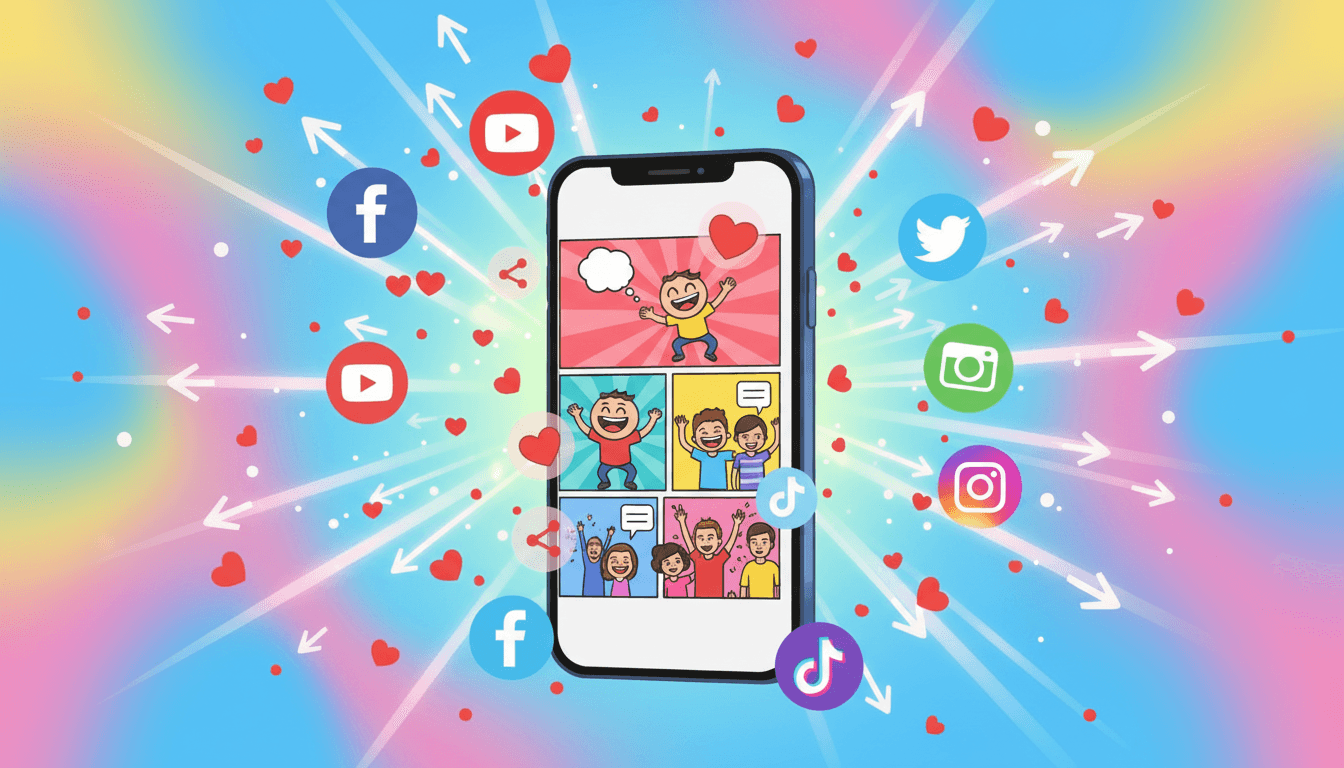
Pixel art stands out dramatically in social media feeds dominated by smooth, filtered photography. A pixel art comic strip on Instagram or TikTok catches the eye precisely because it looks different from everything else. The style's bold simplicity reads well even at thumbnail size, making it ideal for platforms where images compete for attention.
Humor and Comedy
The inherent charm and simplicity of pixel art pairs beautifully with comedy. Visual gags land harder when the art style is playful. The contrast between serious dialogue and cute pixel characters creates natural humor. Many successful webcomics use pixel art precisely because the style adds a comedic layer to any scenario.
Merch and Prints
Pixel art translates exceptionally well to physical products — t-shirts, stickers, posters, phone cases. The clean lines and limited colors make for strong graphic designs. A pixel art comic panel on a t-shirt looks intentional and stylish in a way that other comic styles sometimes don't.
Educational Content
The simplicity and clarity of pixel art make it surprisingly effective for educational comics. Complex processes become digestible when presented as pixel art steps. History, science, coding tutorials — pixel art's clarity helps readers focus on the content rather than getting lost in visual complexity.

Pixel Art vs Other Retro Styles
Pixel art shares retro appeal with several other styles, but each has its own personality:
- Pixel Art vs Retro Anime — Retro anime captures the cel-animation look of 80s-90s anime with hand-painted quality and film grain. Pixel art is grid-based and gaming-inspired. Both are nostalgic, but they trigger different memories — anime fans vs gamers.
- Pixel Art vs Pop Art — Pop Art uses bold colors and halftone dots from the print era. Pixel art uses limited palettes and grid-based construction from the digital era. Pop Art feels 60s-70s; Pixel Art feels 80s-90s.
- Pixel Art vs Vintage Comic — Vintage Comic evokes golden-age comic books with Ben-Day dots and primary colors. Pixel Art evokes digital entertainment. Both are retro, but from different technological lineages.
Tips for Better Pixel Art Comics
- Embrace the constraints. Pixel art's power comes from simplicity. Don't try to cram too much detail into your descriptions — let the pixel aesthetic do the heavy lifting with bold shapes and clear silhouettes.
- Think in game genres. Frame your stories using game conventions: side-scrolling adventures, top-down RPG quests, platform challenges, space shooters. These frameworks translate naturally into pixel art panels.
- Use bold colors. Pixel art thrives with high-contrast, saturated colors. Describe vibrant environments and distinctive character colors for the best results.
- Keep panels simple. Pixel art communicates best with clear, uncluttered compositions. One strong visual idea per panel reads better than complex crowd scenes.
- Mix with modern elements. Don't be afraid to combine pixel art characters with contemporary stories or settings. A pixel art character navigating modern-day problems creates a charming contrast that resonates with audiences.
Frequently Asked Questions
Do I need to know how to make pixel art to create pixel art comics?
Not at all. AI pixel art generators handle the pixel placement, dithering, palette selection, and sprite design automatically. You focus on the story and characters — the AI handles the pixel art technique. No art skills needed.
What's the difference between 8-bit and 16-bit pixel art?
8-bit pixel art uses extremely limited colors (typically 3-4 per character) and very small sprite sizes, referencing NES-era games. 16-bit pixel art uses more colors, larger sprites, and more detail, referencing SNES and Genesis-era games. 16-bit allows for more expressive characters and richer environments.
Can I turn my photo into pixel art?
Yes. iCartoon's photo-to-comic feature can convert any photo into pixel art style. Your selfie becomes a pixel avatar, your pet becomes a sprite, and your landscape becomes a retro game background.
Is pixel art good for long comic stories?
Pixel art works well for both short strips and longer narratives. For extended stories, the 16-bit or modern pixel art sub-styles provide enough detail for nuanced storytelling. Many successful indie games tell 20+ hour stories entirely through pixel art, proving the style can sustain long narratives.
What stories work best in pixel art style?
Gaming adventures, sci-fi stories, fantasy quests, and comedy strips are natural fits. But pixel art is surprisingly versatile — heartfelt personal stories, horror comics, and even romance can work beautifully when the contrast between the cute pixel aesthetic and serious content creates emotional resonance.
Pixel art comics sit at a beautiful intersection of gaming culture, visual art, and sequential storytelling. Whether you're creating a love letter to the games that shaped your childhood, building a gaming-inspired original story, or just exploring a visual style that stands out from the crowd — pixel art brings charm, clarity, and nostalgia to every panel. Start creating your pixel art comic and rediscover the magic of thinking in squares.